
24-Jun-2025
Underhung vs. Bridge Cranes: Which is Better for Auto Parts Plants?
Introduction
In the fast-paced world of automotive manufacturing, efficiency and precision in material handling can make or break production timelines. Choosing the right overhead crane system is critical for auto parts plants looking to optimize their operations. Two primary options dominate the industry: underhung overhead cranes and bridge cranes.
This comprehensive guide from Dongqi Crane will compare these two crane types across key parameters including space requirements, load capacity, cost efficiency, and suitability for automotive applications. By the end, you’ll have a clear understanding of which solution best fits your manufacturing needs.
Key Differences Between Underhung and Bridge Cranes
Structural Design Comparison
Underhung Cranes:
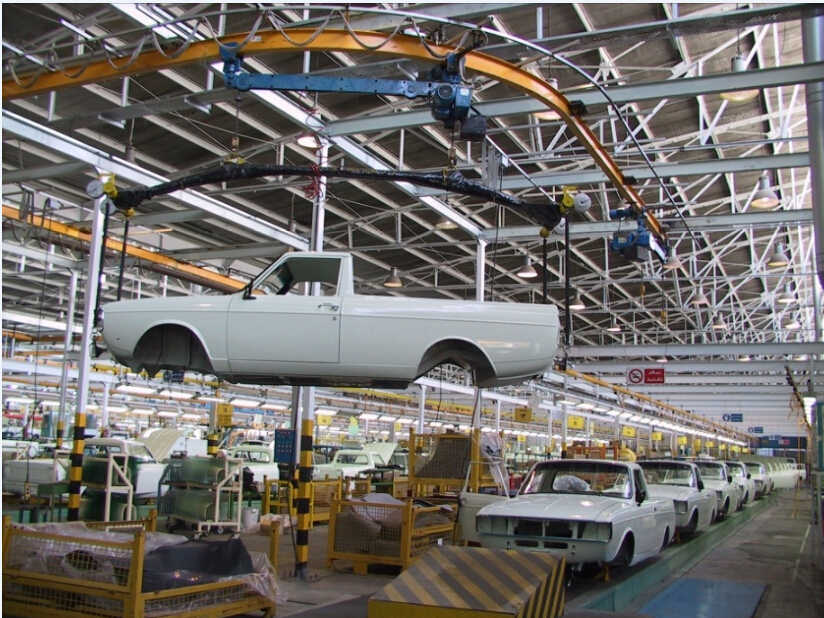
- Suspended directly from the ceiling or roof structure
- Utilize the building’s existing support framework
- Require no floor-mounted support columns
- Ideal for facilities with limited vertical space
Bridge Cranes:
- Supported by freestanding runway beams on vertical columns
- Require substantial floor space for support structures
- Need significant headroom for operation
- Better suited for new construction or high-bay facilities
Visual Tip: Consider adding a side-by-side diagram showing the structural differences
Load Capacity and Span
| Feature | Underhung Cranes | Bridge Cranes |
|---|---|---|
| Typical Capacity | 1-20 tons | 5-100+ tons |
| Maximum Span | 30-50 feet | 100+ feet |
| Precision | Excellent | Good |
Why this matters for auto parts:
- Underhung cranes excel at handling engine blocks, transmissions, and suspension components
- Bridge cranes better suit heavy stampings, vehicle frames, and large subassemblies
Installation and Space Considerations
Underhung Advantages:
- Minimal disruption during installation
- No floor obstructions – maximizes usable workspace
- Easier to retrofit into existing facilities
- Lower ceiling height requirements
Bridge Crane Considerations:
- Require reinforced concrete foundations
- Support columns may interfere with workflow
- Need substantial vertical clearance
- Better for new construction projects
Which Crane is Best for Auto Parts Manufacturing?
When to Choose an Underhung Crane
✔ Space-constrained facilities – Perfect for plants with limited floor area or low ceilings
✔ Precision handling needs – Ideal for delicate components like fuel injectors or sensors
✔ Modular production lines – Easy to reposition as layouts change
✔ Cost-sensitive operations – Lower installation and maintenance expenses
Real-world example: A transmission manufacturer increased throughput by 18% after switching to underhung cranes that allowed more flexible workstation arrangements.
When a Bridge Crane is the Better Choice
✔ Heavy component handling – Essential for chassis and frame production
✔ Large facility footprints – Optimal for plants with wide assembly areas
✔ High-volume production – Can service multiple workstations simultaneously
✔ Future expansion plans – More scalable for growing operations
Hybrid Solutions: Getting the Best of Both
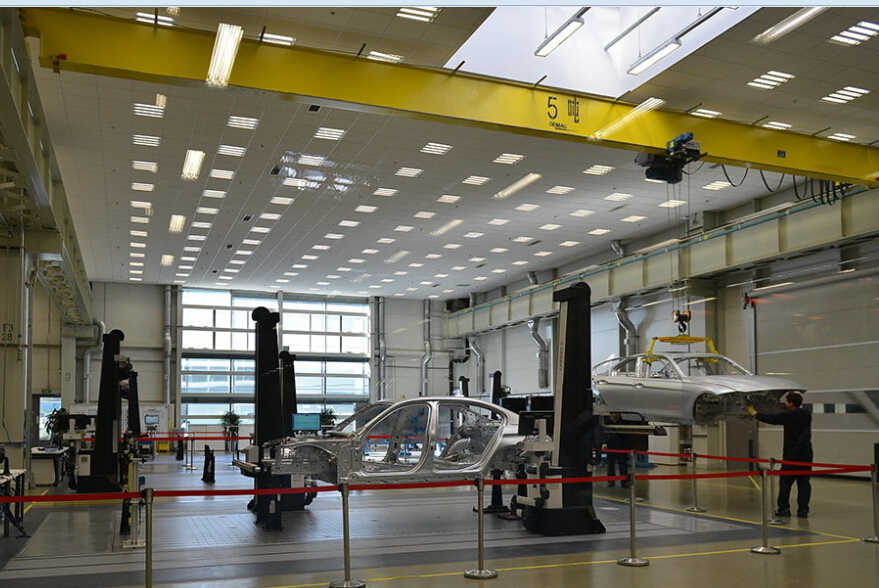
Many modern auto plants implement a mixed crane strategy:
- Underhung cranes for precision subassembly work
- Bridge cranes for main line heavy lifting
- Coordinated control systems for seamless operation
Dongqi Crane’s Custom Solutions for Auto Parts Plants
Underhung Crane Innovations
- Smart Control Systems: Precision positioning with <1mm accuracy
- Modular Designs: Quick reconfiguration for layout changes
- Energy Efficient: Regenerative drives reduce power consumption by up to 30%
Bridge Crane Advancements
- Heavy-Duty Options: Capacities to 100+ tons for frame production
- Automation Ready: Seamless integration with robotic systems
- Durable Construction: Extended service life in demanding environments
Success Story: Dongqi in Action
A major Tier 1 supplier reduced material handling costs by 22% after implementing our custom underhung system featuring:
- Dual-speed hoists for precision positioning
- Anti-sway technology
- Wireless remote controls
Future Trends in Auto Manufacturing Cranes
- Smart Crane Technology:
- IoT-enabled predictive maintenance
- AI-assisted load optimization
- Real-time performance analytics
- Lightweighting Solutions:
- Advanced aluminum structures
- Composite materials for crane components
- Energy recovery systems
- EV Production Demands:
- Specialized battery handling systems
- Clean room compatible designs
- Faster cycle times for high-volume output
Conclusion: Making the Right Choice
For most auto parts plants, underhung cranes offer the best combination of:
- Space efficiency
- Precision handling
- Cost effectiveness
- Future adaptability
Bridge cranes remain essential for:
- Heavy component production
- Large-scale assembly
- Facilities with ample space
Dongqi Crane Can Help
Our experts can evaluate your specific needs and recommend the optimal solution. Contact us today for:
- Free facility assessment
- Custom crane design services
- Cost-benefit analysis
Call to Action:
📞 Speak with our automotive crane specialists today!
📥 Download our free “Crane Selection Guide for Auto Manufacturers”
🏭 Schedule a virtual tour of our manufacturing facility
