
15-Sep-2025
Electromagnetic vs. Permanent Magnet vs. Vacuum Lifters: A Dongqi Crane Guide to Choosing the Perfect Gripper
Introduction
In the world of material handling, the efficiency and safety of your overhead crane system don’t end with the bridge and hoist. The end-effector—the device that actually grips the load—is arguably just as critical. For lifting ferrous materials or smooth-surfaced items, three technologies dominate: electromagnetic, permanent magnet, and vacuum lifters. Selecting the wrong one can lead to inefficiency, product damage, or even safety hazards.
At Dongqi Crane, we don’t just provide cranes; we provide complete lifting solutions. This guide will break down the pros, cons, and ideal applications of each gripper type, empowering you to make the perfect choice for your operational needs.
1. Electromagnetic Lifters (Electromagnetic Chuck)
How They Work:
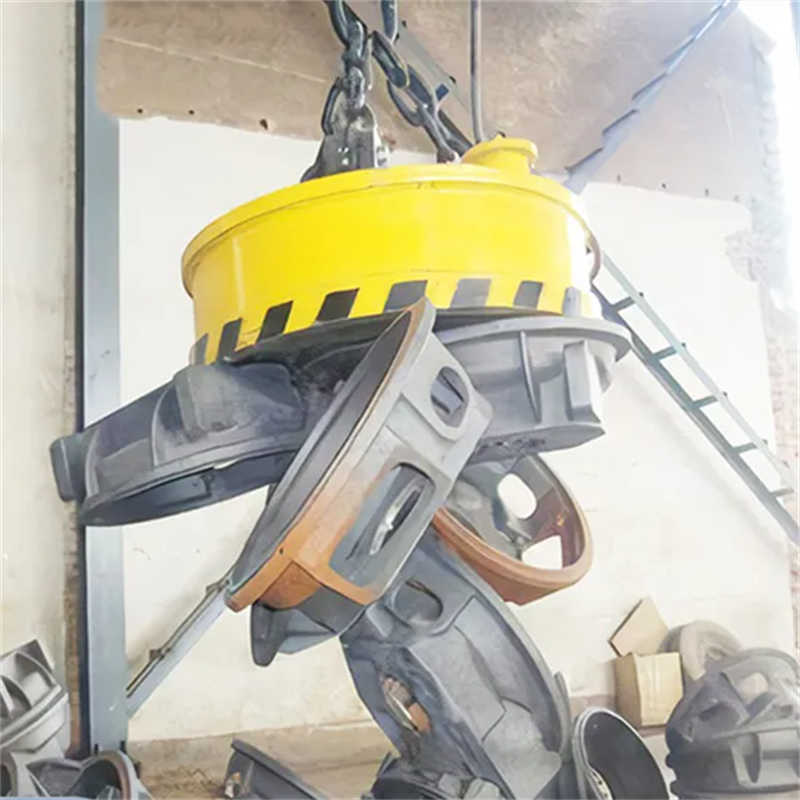
Electromagnetic lifters operate on a simple principle: an electric current passes through a coiled wire inside the unit, generating a powerful magnetic field that attaches to ferrous materials. The magnetic force is instantly engaged when power is supplied and disengaged when power is cut.
Key Advantages:
- Exceptional Strength: Capable of generating very high lifting forces relative to their size.
- Instant Control: The magnetic force can be switched on and off immediately from the crane operator’s pendant.
- Penetration Power: The magnetic field can penetrate through non-ferrous surface coatings like paint or rust to grip the underlying steel, and can even lift multiple sheets at once.
- No Batteries Required: They draw power directly from the crane’s system.
Key Limitations:
- Constant Power Requirement: The primary safety concern. A power failure or cable break will cause the magnet to release its load immediately. A backup power system is absolutely critical.
- Energy Consumption: They consume electricity continuously during the lifting process.
- Heat Generation: Extended use can cause the magnet to heat up, which may require duty cycle management.
- Ferrous Materials Only: Only effective on materials that a magnet will stick to.
Ideal For: Lifting heavy, large-scale steel plates, slabs, structural beams, and scrap metal in environments with a reliable power supply and robust safety protocols.
2. Permanent Magnet Lifters
How They Work:
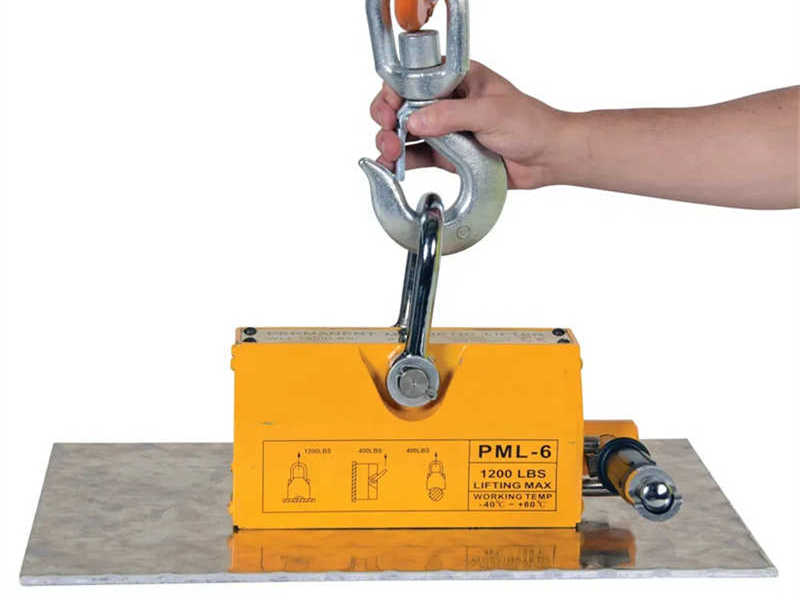
These lifters use the constant force of high-grade rare-earth permanent magnets (like Neodymium). They don’t require external power. Instead, they use a mechanical internal mechanism to rotate the magnetic fields between an “on” (load-locking) and “off” (load-releasing) state.
Key Advantages:
- Intrinsic Safety: No risk of dropping the load due to a power failure. The holding force is always present unless manually released.
- Energy Efficient: Zero energy consumption during operation, reducing operating costs.
- Environmentally Resilient: Well-suited for wet, humid, or explosive environments where sparks from electrical equipment are a hazard.
- Low Maintenance: No electrical components to fail.
Key Limitations:
- Manual Operation: Switching the magnet on/off typically requires a manual lever or a dedicated rotation mechanism, which can be slower.
- Limited Penetration: Generally less effective at penetrating thick rust, scale, or air gaps than electromagnetic models.
- Residual Magnetism: Can sometimes leave a slight magnetic charge on the lifted material.
- Weight: Can be heavier than electromagnetic models of similar capacity.
Ideal For: Workshops, fabrication shops, and hazardous environments where safety and energy independence are paramount. Perfect for repetitive lifting of similar-sized steel plates, blocks, or finished products.
3. Vacuum Lifters (Vacuum Lifters)
How They Work:
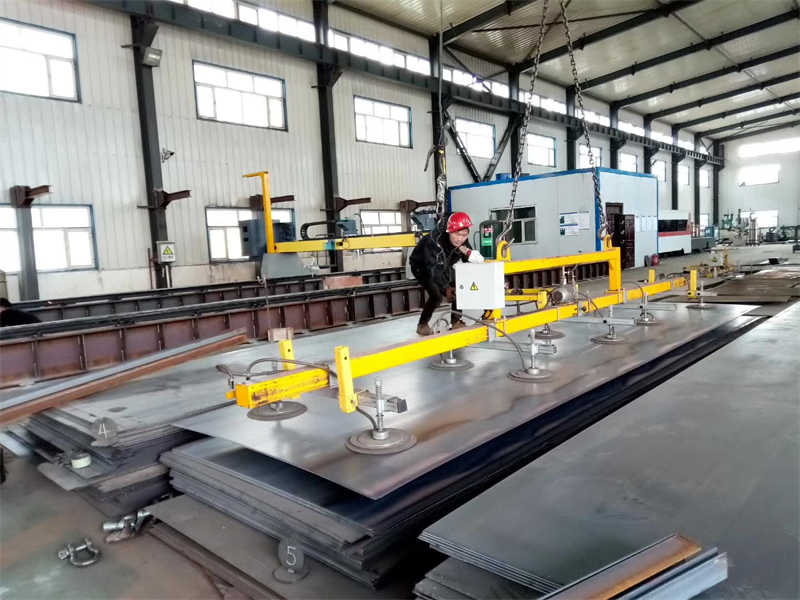
Vacuum lifters use one or multiple suction cups attached to a spreader beam. An electric or pneumatic pump evacuates the air from the cups, creating a pressure differential that atmospheric pressure uses to clamp the load to the cups.
Key Advantages:
- Material Versatility: Can handle non-ferrous materials like aluminum, brass, glass, stone, plastics, and wooden sheets.
- Gentle Handling: The even distribution of force is perfect for polished, delicate, or fragile surfaces (e.g., stainless steel, glass, automotive parts).
- Fail-Safe Features: Modern vacuum lifters are equipped with sensors and backup batteries. If a leak or power loss is detected, the system alarms and can often hold the load long enough to place it down safely.
- No Residual Hold: Releases the load completely with no leftover magnetism or force.
Key Limitations:
- Surface Sensitive: Requires a smooth, non-porous, and clean surface to form a proper seal. Rough, porous, or oily surfaces are problematic.
- Pump Dependency: Requires an energy source (electric or pneumatic) for the vacuum pump.
- Limited in Rough Environments: Susceptible to damage from sharp edges and abrasive surfaces.
- Generally for Lighter Loads: While capable of lifting heavy loads (like stone slabs), the technology is often applied to sensitive, high-value products.
Ideal For: Manufacturing lines for appliances and automobiles, glass and stone processing, logistics handling of sheet materials, and any application involving non-ferrous or delicate products.
Comparison Table: At a Glance
| Feature | Electromagnetic Lifter | Permanent Magnet Lifter | Vacuum Lifter |
|---|---|---|---|
| Power Source | Electricity (Constant) | None (Manual) | Electric/Pneumatic Pump |
| Fail-Safe on Power Loss | No (Drops load) | Yes (Holds load) | Yes (With backup) |
| Material | Ferrous Metals Only | Ferrous Metals Only | Any Non-Porous Material |
| Surface Sensitivity | Low (Handles rust/scale) | Medium | Very High (Must be smooth) |
| Operating Cost | Higher (Energy use) | Very Low | Medium (Pump maintenance) |
| Primary Benefit | Raw Power & Control | Safety & Efficiency | Versatility & Gentleness |
How to Choose: Key Questions to Ask
- What is the material composition? (Ferrous steel vs. aluminum/glass/stone?)
- What is the surface condition? (Smooth, oily, rusty, rough?)
- What are the safety requirements? (What is the consequence of a power failure? Is it a hazardous area?)
- What is your operational tempo? (Need rapid on/off cycling or handling of consistent loads?)
- What is the load’s value and fragility? (Delicate finished product or raw slab?)
Conclusion: Partner with Dongqi Crane for the Complete Solution
Choosing the right gripper is not a one-size-fits-all decision. It is a strategic choice that impacts your productivity, safety, and bottom line.
Why navigate this complex choice alone? Dongqi Crane offers more than just reliable overhead cranes and hoists. Our engineering team provides expert consultation to integrate the perfect lifting attachment—whether electromagnetic, permanent magnet, or vacuum—into your complete material handling system. We ensure seamless compatibility, optimal performance, and most importantly, operational safety.
Contact Dongqi Crane today for a consultation. Let our experts analyze your application and recommend the optimal gripping solution to maximize the return on your crane investment.
