
28-Oct-2025
FEM Standard Single Beam Bridge Crane Price: A Comprehensive Guide for Smart Buyers
An Introduction to FEM Standard Single Beam Bridge Cranes
In the world of industrial material handling, FEM standard cranes represent the pinnacle of European engineering excellence and operational efficiency. These cranes, manufactured according to the rigorous Fédération Européenne de la Manutention (FEM) specifications, are designed to deliver superior performance, enhanced safety, and long-term reliability. As industries worldwide seek to optimize their operations, understanding the investment value of this equipment becomes crucial for making informed purchasing decisions.
The FEM standard single beam bridge crane has gained significant popularity across various sectors including manufacturing facilities, warehouse operations, and assembly lines due to its compact design, energy efficiency, and reduced maintenance requirements. Unlike conventional cranes, FEM standard cranes incorporate advanced engineering principles and premium components that justify their price positioning in the market. For companies like Dongqi Crane, which specialize in providing cost-effective lifting solutions, communicating the inherent value of these cranes is essential for helping customers understand why they represent a smart long-term investment rather than merely a capital expense.
Key Factors Influencing FEM Standard Single Beam Bridge Crane Prices
Lifting Capacity and Span Requirements
The load-bearing capacity and operational span represent two primary factors that significantly impact the final price of a FEM standard single beam bridge crane. As expected, cranes with higher lifting capacities command higher prices due to the need for reinforced structures and more powerful hoisting mechanisms. For instance, while a 1-ton FEM standard crane might be priced at approximately $5,000, a 10-ton capacity version can cost between $7,800 and $15,000 depending on other specifications .
Similarly, the span—which refers to the horizontal distance between the runway rails—directly affects the price. Longer spans require heavier girders and strengthened support systems to prevent excessive deflection, thereby increasing both material costs and engineering complexity. Standard FEM single beam cranes typically offer spans ranging from 9.5 to 24 meters, with prices gradually increasing as the span extends to accommodate wider working areas .
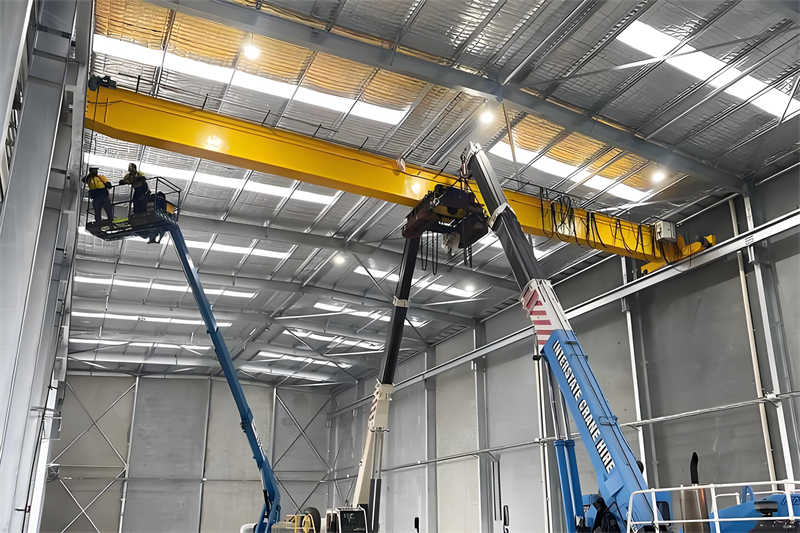
Lifting Height and Speed Considerations
The maximum lifting height and operational speeds constitute another important dimension in the pricing structure of FEM standard cranes. Greater lifting heights necessitate longer wire ropes, larger drums, and sometimes modified structural designs, all of which contribute to higher costs. Standard FEM cranes typically offer lifting heights between 6 and 30 meters, with prices increasing accordingly .
Speed variations also influence pricing, particularly when customers require variable frequency drives or specialized control systems for precise load positioning. Standard FEM single beam cranes typically feature lifting speeds of approximately 5/0.8 m/min and cross travelling speeds of 20/5 m/min . However, these specifications can be customized to suit specific operational requirements, with corresponding adjustments to the overall equipment cost.
Power Supply and Control Systems
The electrical configuration and control mechanisms selected for a FEM standard single beam bridge crane significantly impact its price. These cranes typically operate on a 3AC 220V~480V 50/60Hz power supply , but variations in electrical requirements across different regions may necessitate modifications that affect costs. Furthermore, the choice between pendant controls, cabin controls, or remote control systems adds another layer of price differentiation, with more advanced control options commanding premium pricing.
Quality Components and Manufacturing Standards
FEM standard cranes distinguish themselves through their premium components and rigorous manufacturing standards. Unlike conventional cranes, FEM-compliant equipment typically incorporates German-made motors, European-style hoists, and frequency conversion speed regulation in their running mechanisms . These high-quality components, while increasing initial investment, contribute to long-term reliability, reduced downtime, and lower maintenance costs—key factors that justify the price premium associated with FEM standard equipment.
Detailed Price Ranges for FEM Standard Single Beam Bridge Cranes
Standard vs. FEM Standard Crane Pricing
To fully appreciate the value proposition of FEM standard single beam bridge cranes, it’s helpful to compare their pricing against conventional single beam cranes. The table below illustrates this price differentiation across various capacity ranges:
| Lifting Capacity | Standard Single Beam Crane Price | FEM Standard Single Beam Crane Price |
|---|---|---|
| 1 ton | $1,697 – $5,402 | $5,000 – $9,500 |
| 2 ton | $1,890 – $6,179 | $5,200 – $9,600 |
| 3 ton | $2,002 – $15,795 | $5,300 – $10,300 |
| 5 ton | $2,439 – $16,214 | $5,900 – $11,000 |
| 10 ton | $3,646 – $20,442 | $7,800 – $15,000 |
This price differential reflects the enhanced engineering, superior components, and stricter quality control inherent in FEM standard cranes. While the initial investment is higher, the long-term operational benefits often justify this premium for businesses requiring reliable, high-performance material handling solutions.
Price Breakdown by Specification
For a more detailed understanding of FEM standard single beam bridge crane pricing, consider the following typical price ranges based on capacity and span combinations:
Table: FEM Standard Single Beam Bridge Crane Price Ranges
| Lifting Capacity | Optimal Span Range | Price Range (USD) |
|---|---|---|
| 1 ton | 9.5-24 meters | $5,000 – $9,500 |
| 2 ton | 9.5-24 meters | $5,200 – $9,600 |
| 3 ton | 9.5-24 meters | $5,300 – $10,300 |
| 5 ton | 9.5-24 meters | $5,900 – $11,000 |
| 10 ton | 9.5-24 meters | $7,800 – $15,000 |
| 16 ton | 9.5-24 meters | $11,000 – $19,000 |
*Source: *
It’s important to note that these prices represent standard configurations. Customized solutions with specialized features such as increased lifting heights, explosion-proof specifications, or advanced anti-sway control systems will command premium pricing. For instance, incorporating sophisticated anti-sway technology like the fuzzy PID anti-sway controllers discussed in recent research can add to the base cost but significantly improve operational precision and safety .
The Long-Term Value: Cost-Saving Benefits of FEM Standard Cranes
Enhanced Operational Efficiency
While the initial price of FEM standard single beam bridge cranes may be higher than conventional alternatives, their operational efficiency delivers significant cost savings over time. These cranes are designed for smooth operation and precise load positioning, features that enhance workplace productivity and reduce cycle times. The incorporation of advanced control systems and frequency-regulated movements minimizes load swing, thereby increasing operational safety and enabling faster material transfer .
Reduced Maintenance and Downtime Costs
The superior build quality and premium components used in FEM standard cranes translate directly to reduced maintenance requirements and less operational downtime. With critical components such as motors and electrical systems sourced from reputable European manufacturers , these cranes offer extended service intervals and greater reliability compared to conventional alternatives. This reliability is particularly valuable in production environments where unplanned equipment downtime can result in significant financial losses.
Energy Efficiency and Sustainability
FEM standard cranes are engineered with energy-efficient operation in mind, incorporating features such as regenerative braking and optimized motor designs that minimize power consumption. This focus on energy efficiency not only reduces operational costs but also supports corporate sustainability initiatives, making these cranes an environmentally responsible choice for forward-thinking organizations.
How to Choose the Right FEM Standard Single Beam Bridge Crane for Your Needs
Assessing Your Operational Requirements
Selecting the appropriate FEM standard single beam bridge crane begins with a thorough assessment of your specific operational requirements. Key considerations include:
- Maximum load capacity: Determine not only your current maximum load but also anticipate potential future needs
- Workplace dimensions: Measure available space, including span requirements and lifting height
- Duty cycle: Evaluate the frequency and intensity of usage to select the appropriate working class (typically A5 for FEM standard cranes)
- Control preferences: Decide between pendant, cabin, or remote control options based on operational complexity and operator convenience
Selecting a Reputable Supplier
Choosing the right supplier is crucial when investing in a FEM standard single beam bridge crane. Look for manufacturers with:
- Proven industry experience and technical expertise
- Comprehensive service offerings, including installation, maintenance, and spare parts support
- Transparent pricing and detailed quotations
- Positive customer testimonials and project references
Companies like Dongqi Crane, with their extensive experience in providing cost-effective crane solutions, can offer valuable guidance throughout the selection and implementation process .
Considering Total Cost of Ownership
When evaluating the price of a FEM standard single beam bridge crane, savvy buyers look beyond the initial purchase price to consider the total cost of ownership. This comprehensive approach accounts for:
- Installation and commissioning expenses
- Preventive maintenance costs
- Energy consumption
- Potential downtime expenses
- Expected equipment lifespan
By taking this holistic view, businesses can make more informed decisions that optimize long-term value rather than simply minimizing upfront costs.
Conclusion: Making an Informed Investment Decision
The price of a FEM standard single beam bridge crane represents an investment in operational efficiency, workplace safety, and long-term reliability. While these cranes command a premium over conventional alternatives, their superior engineering, high-quality components, and energy-efficient operation deliver compelling value over their operational lifespan.
When considering such an investment, it’s advisable to consult with experienced manufacturers who can provide detailed quotations tailored to your specific requirements. Reputable suppliers like Dongqi Crane offer comprehensive services—from initial design and manufacturing to installation and ongoing maintenance support—ensuring that your investment continues to deliver value throughout its operational life .
By understanding the various factors that influence FEM standard single beam bridge crane prices and taking a holistic view of equipment value, businesses can make purchasing decisions that balance initial investment with long-term operational benefits, ultimately enhancing their material handling capabilities and strengthening their competitive position in the marketplace.
