
24-Nov-2025
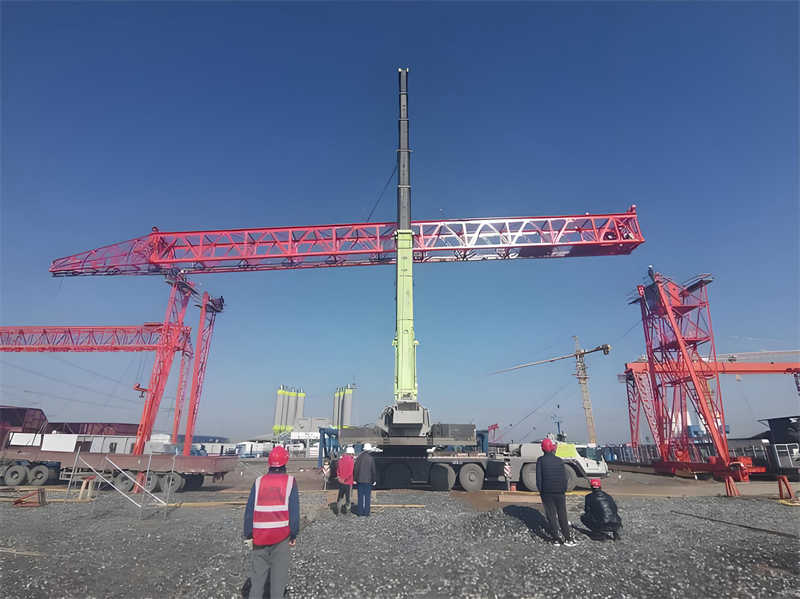
Granite and Marble Stone Lifting Double Girder 40 Ton Gantry Crane
Introduction
The handling and transportation of granite, marble, and other natural stones present unique challenges due to their substantial weight, high value, and susceptibility to damage. For operations in stone yards, processing facilities, and loading areas, a specialized lifting solution is required. The Double Girder 40 Ton Gantry Crane is engineered specifically for these demanding applications. This equipment provides the structural integrity, precise control, and operational flexibility necessary to move heavy stone slabs and blocks safely and efficiently, thereby optimizing workflow and protecting valuable materials.
Key Product Parameters
| Parameter | Specification |
|---|---|
| Lifting Capacity | 40 Metric Tons |
| Girder Configuration | Double Girder |
| Span (Customizable) | Typically 12 to 42 meters |
| Lifting Height (Customizable) | Typically 6 to 30 meters |
| Work Duty Class | A6 (Heavy Duty) to A7 (Severe Duty) |
| Power Supply | 380V / 50Hz / 3 Phase (or as per local standard) |
| Control Mode | Pendant Control / Cabin Control / Remote Control |
| Travel Mechanism | Rail-mounted or Rubber-Tired |
| Safety Features | Overload Limiter, Height Limit Switch, Emergency Stop, Anti-Collision System (optional) |
Product Reference Pricing
Providing an exact price is complex as it is highly dependent on configuration. However, for a standard 40-ton double girder gantry crane with a medium span, the reference price range is typically between $85,000 and $150,000. Final pricing is subject to customization factors including:
- Span and Lifting Height: Longer spans and greater heights increase cost.
- Duty Class: A higher duty class (A7) for more intensive cycles will cost more than A6.
- Control System: Radio remote control adds to the base price.
- Additional Features: Costs will vary for special hooks, festooning systems, or environmental protections.
Distinctive Product Characteristics
- Enhanced Stability and Strength: The double girder design offers superior structural rigidity compared to single girder cranes. This is critical for lifting 40-ton stone blocks, as it minimizes beam deflection and ensures smooth, stable movement, preventing dangerous swinging of the load.
- Precision Load Control: Granite and marble slabs are extremely vulnerable to cracking and chipping. This crane is often equipped with variable frequency drives (VFDs) on the hoisting and travel motions. This allows for soft starts and stops, precise speed adjustment, and fine-positioning, enabling operators to place slabs with millimeter accuracy.
- Adaptability to Stone Industry Needs: The crane’s design accommodates a variety of specialized lifting attachments used in the stone industry. The clear space between the two girders provides ample room for installing equipment like C-hooks for stone bundles, vacuum lifters for polished slabs, or spreader beams for large blocks.
- Robust Construction and Durability: Built from high-strength steel (e.g., Q345B) with advanced welding techniques and stress-relieving processes, the crane is designed to withstand the harsh environments of stone processing, which may include dust, moisture, and heavy daily use.
- Comprehensive Safety Systems: Safety is paramount when handling massive, valuable loads. Integrated overload protection, dual-limit switches for hoisting and travel, and emergency stop functions form a multi-layered safety system to protect both personnel and assets.
Typical Work Scenes and Applications
This crane is a central piece of equipment in various stages of stone handling:
- Unloading Raw Blocks: At the yard entrance, the crane is used to unload massive marble and granite blocks (often weighing 20-40 tons) from trucks, moving them to initial storage or cutting stations.
- Processing Line Handling: Within the factory, it transports blocks to block cutters and then moves the resulting slabs through subsequent processes like polishing, trimming, and inspection.
- Storage and Stacking: The crane facilitates the organized stacking of finished slabs in storage yards or warehouses, maximizing space utilization and allowing for easy retrieval of specific orders.
- Loading for Shipment: For outbound logistics, the crane efficiently loads finished and packaged slabs onto trailers for distribution, ensuring careful handling of the final product.
Selection and Customization Guidance
When procuring a 40-ton gantry crane for stone lifting, consider the following:
- Site Assessment: Determine the required span to cover the work area and the lifting height needed for stacking slabs.
- Duty Cycle: Evaluate how frequently and intensively the crane will be used to select the appropriate work duty class (A6 or A7).
- Lifting Attachments: Specify the type of lifting gear (e.g., vacuum lifter, C-hook) to ensure the crane’s design is fully compatible.
- Power Access: Decide on the travel mode; rail-mounted systems require installed tracks, while rubber-tired versions offer more flexibility but may have different power requirements (e.g., cable reels).
Operational and Maintenance Considerations
Proper installation by qualified technicians is essential, including the preparation of a level and robust foundation or rail track. Operator training must emphasize smooth control to prevent load swing and the importance of pre-operational safety checks. A routine maintenance schedule, including inspection of wire ropes, brakes, electrical components, and structural integrity, is crucial for long-term, reliable operation.
Conclusion
The Double Girder 40 Ton Gantry Crane is not merely a lifting device but a integral component of a modern, efficient, and safe stone handling operation. Its design directly addresses the critical needs of the granite and marble industry: the power to handle immense weights, the precision to protect valuable materials, and the durability to perform in a demanding environment. By investing in this tailored lifting solution, stone businesses can significantly enhance their operational throughput, reduce product loss due to damage, and ensure a safer workplace.
