
28-Nov-2025
Revolutionize Your Cement Plant Operations: Enhance Safety & Efficiency with Dongqi’s Frequency Converter Single Girder Cranes
Introduction: The Unseen Bottleneck in Modern Cement Production
In the demanding environment of a cement plant, where the relentless processing of raw materials, clinker production, and finished cement packaging define daily operations, material handling is not merely a supporting function—it is the circulatory system of the entire facility. From the raw mill to the kiln feed, from clinker cooling to the dispatch department, the continuous and reliable movement of heavy, abrasive materials is paramount. Many plants, however, rely on overhead lifting equipment that has not evolved with modern technological demands. Outdated cranes, characterized by jerky movements, imprecise control, and high mechanical stress, create a significant, often unseen, bottleneck. They lead to increased maintenance downtime, elevated safety risks, and suboptimal production rates, silently eroding profitability.
At Dongqi Hoist and Crane, we understand the unique challenges of the cement industry. We recognize that your overhead crane is not an isolated tool but an integral component of your production line. This is why we have engineered a superior solution specifically designed for harsh, high-duty environments: The Bridge Type Single Girder Crane equipped with an Advanced Frequency Converter System. This combination is not a mere upgrade; it is a transformative investment that brings unparalleled control, reliability, and intelligence to your material handling processes, directly impacting your bottom line.
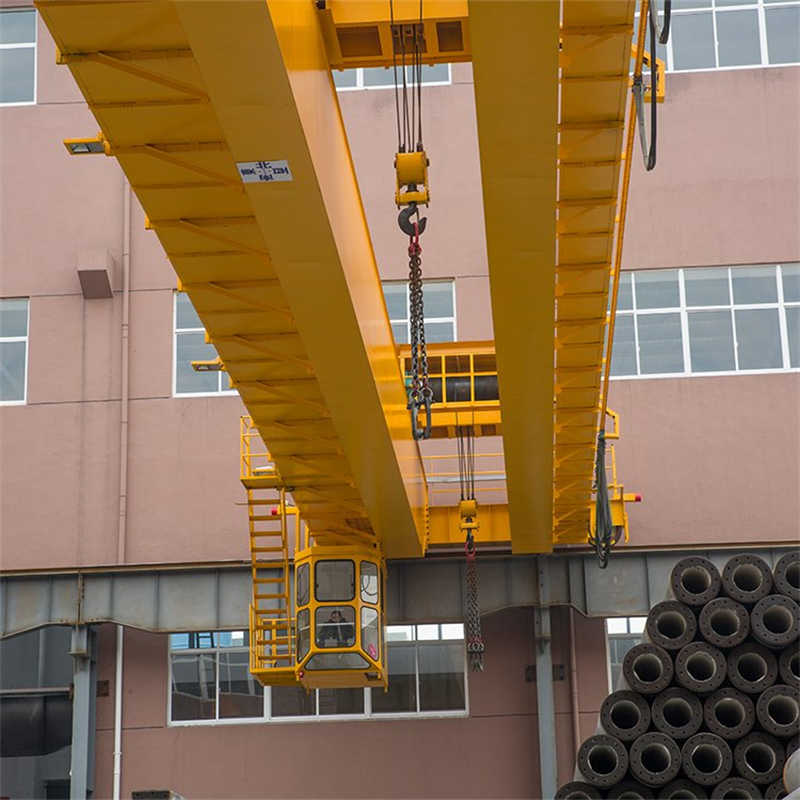
Part 1: The Core Technology – Understanding the Frequency Converter Advantage
Before delving into the specific benefits, it is crucial to understand what a frequency converter (or VFD – Variable Frequency Drive) is and why it represents a quantum leap over traditional crane control systems.
A traditional direct-on-line (DOL) crane starter applies full power to the motor almost instantly, causing the motor and the entire crane structure to jerk into motion. Similarly, stopping is abrupt, relying heavily on mechanical brakes. This operation profile is akin to driving a car by only using the accelerator fully on and then slamming the brakes.
A Frequency Converter, by contrast, is a sophisticated electronic device that intelligently controls the speed and torque of an AC motor by varying the frequency and voltage of the power supplied to it. In the context of a Dongqi single girder crane, this technology revolutionizes the entire operation:
- Soft Start & Stop: The crane accelerates and decelerates along a pre-programmed, smooth ramp. This eliminates the violent jerking at startup that stresses the entire crane structure, the runway, and the hoist.
- Precise Speed Control: Operators are no longer limited to “on” or “off.” They have seamless, granular control over the crane’s travelling and hoisting speeds, allowing for slow, creeping movements for precise positioning or higher speeds for efficient transit across the bay.
Part 2: Tangible Benefits of Dongqi’s Single Girder Crane with Frequency Converter in Cement Plants
The integration of this technology delivers a multitude of operational and financial advantages:
1. Dramatically Enhanced Operational Safety
The cement plant environment is inherently hazardous. Dust, heavy loads, and personnel working below cranes make safety the highest priority.
- Swing Load Mitigation: The single greatest cause of load swing is abrupt acceleration and deceleration. Our frequency converter’s smooth ramp control virtually eliminates this pendulum effect, ensuring the load moves predictably and remains stable. This drastically reduces the risk of collisions with equipment or, more critically, injury to personnel.
- Reduced Structural Shock: By eliminating the mechanical shock from jerky starts and stops, the crane imposes far less dynamic stress on its own girder, end trucks, and the supporting runway system. This directly translates to a longer operational lifespan for the entire installation and a reduced risk of structural fatigue over time.
2. Unprecedented Precision and Control for Improved Productivity
Handling delicate equipment like kiln parts, positioning heavy molds, or accurately placing raw material feeders requires finesse.
- Micro-Speeding Capability: Operators can engage a “creep” mode, allowing for movements of just millimeters. This precision is invaluable for aligning machinery during maintenance, placing loads in confined spaces, or ensuring perfect positioning on conveyor belts, which minimizes spillage and optimizes process flow.
- Increased Handling Efficiency: An operator who can control the crane with confidence and precision will work faster and more efficiently. The reduced need for repeated adjustments to correct load swing or overshoot leads to faster cycle times, moving more material per shift and increasing overall plant throughput.
3. Significant Reduction in Maintenance and Downtime Costs
In an industry where downtime is measured in thousands of dollars per hour, equipment reliability is non-negotiable.
- Mechanical Component Longevity: The frequency converter is the ultimate guardian of your crane’s mechanical parts. The soft starts mean drastically reduced wear and tear on:
- Brakes: Mechanical brakes are used less frequently and with less force, leading to longer lining life.
- Gearboxes: The shock loads that damage gear teeth are eliminated.
- Wire Rope and Hoist: Stress peaks on the hoisting mechanism are smoothed out, extending the service life of the wire rope, hooks, and drum.
- Wheels and Runway: The impact forces on the crane wheels and the runway beams are minimized, preventing premature wear and deformation.
- Reduced Electrical Stress: Modern frequency converters also provide controlled in-rush current, preventing the high current spikes associated with DOL starters that can damage motor windings and electrical contacts over time.
4. Energy Efficiency and a Smaller Carbon Footprint
The global cement industry is under increasing pressure to improve its energy efficiency and reduce its environmental impact.
- Optimized Power Consumption: By controlling the motor’s speed and reducing its current draw during acceleration, a frequency converter can lead to energy savings of 20-30% compared to a conventional crane system, depending on the duty cycle.
- Regenerative Braking: Advanced models can even feed braking energy back into the power supply, further enhancing overall energy efficiency and reducing operational costs.
Part 3: The Robust Foundation – The Dongqi Single Girder Crane Design
The frequency converter is the intelligent brain, but it requires a robust body to be effective. Our Bridge Type Single Girder Cranes are built to withstand the extreme conditions of a cement plant.
- Heavy-Duty Steel Construction: The main girder is designed with a high-strength steel profile, optimized for maximum strength-to-weight ratio and minimal deflection under load, ensuring long-term stability and alignment.
- Dust and Heat Protection: Critical components, including the motor, hoist, and electrical panels, are housed in enclosures with high IP (Ingress Protection) ratings (e.g., IP54, IP65) to shield them from the pervasive cement dust and, in areas near the kiln, elevated ambient temperatures.
- Corrosion-Resistant Finishes: We apply specialized, multi-layer paint systems or even galvanization to protect the steel structure from the corrosive elements present in a cement plant environment.
- Ergonomic Operator Interface: We offer a range of control options, from pendant stations with intuitive controls to full radio remote control, allowing the operator to position themselves in the safest and most effective location for the task at hand.
Part 4: A Partnership for Sustainable Productivity
Choosing Dongqi is not just a transaction; it is the beginning of a partnership. Our engineering team works closely with you to understand your specific process flows, capacity requirements (from 1 to 32 tons or more), and span specifications. We don’t just sell a standard product; we provide a customized material handling solution that fits seamlessly into your cement plant’s ecosystem.
From initial consultation and design to manufacturing, installation support, and after-sales service with readily available spare parts, we are committed to ensuring your crane delivers peak performance for decades.
Conclusion: A Smart Investment for a Competitive Future
In an industry as competitive as cement manufacturing, incremental advantages compound into significant market leadership. Upgrading to a Dongqi Bridge Type Single Girder Crane with a Frequency Converter is one of the most impactful investments you can make. It directly addresses the core challenges of safety, maintenance cost, operational precision, and energy consumption.
This is more than a new piece of equipment—it is an upgrade to your plant’s operational DNA. It empowers your workforce, protects your assets, and optimizes your production flow.
Ready to eliminate the bottlenecks and build a safer, more efficient, and more profitable future for your cement plant?
Contact a Dongqi material handling specialist today. Let us provide you with a detailed proposal, including a ROI analysis that clearly outlines the long-term savings and performance benefits tailored to your facility. Let’s build the future of cement production, together.
