
6-Mar-2026
Dongqi Crane Australia: Quality Lifting Equipment Direct from Manufacturer
Australian Market Data 2024-2025: What the Latest Import Figures Tell Us
Before we introduce our products, let’s look at what Australian businesses actually purchased from China over the past two years. This data from China Customs gives you a factual basis for your own procurement planning.
| Crane Type | 2024 Imports | 2024 Value | 2025 Imports | 2025 Value | Change |
|---|---|---|---|---|---|
| Gantry Cranes | 24 units | $2.996 million USD | 55 units | $9.395 million USD | +129% units +214% value |
| Overhead Cranes | 318 units | $3.573 million USD | 186 units | $2.467 million USD | -41% units -31% value |
Reading the Trends
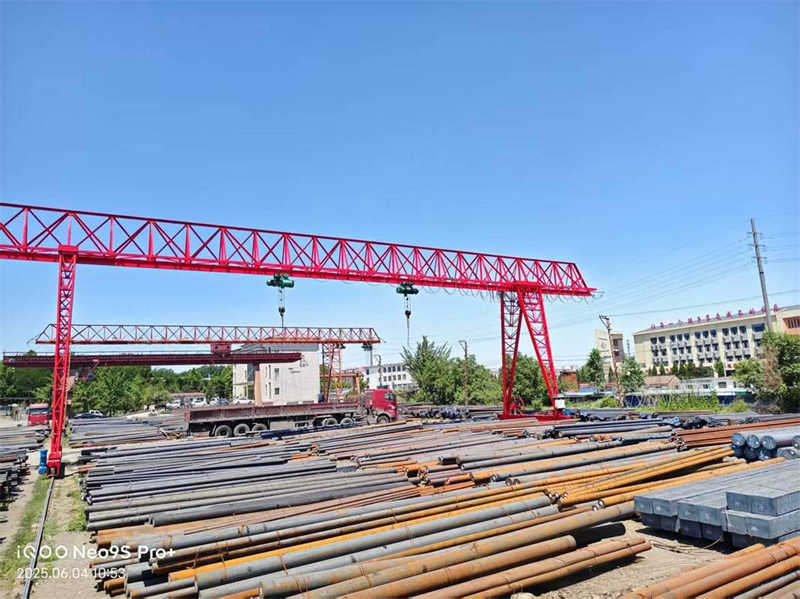
Gantry crane demand is growing strongly. The sharp increase in both units and total value points to real activity in Australian sectors that rely on outdoor lifting: infrastructure projects, logistics yards, rail terminals, mining support facilities, and construction sites. More Australian businesses are sourcing gantry cranes from China, and they’re investing in higher-value equipment.
Overhead crane imports have moderated. The reduction in units and total value suggests a more measured approach in manufacturing and workshop environments. This may reflect project timing, budget cycles, or a shift in buying priorities. Based on our conversations with Australian customers, many are now prioritizing quality, reliability, and longer service life over the lowest upfront price.
At Dongqi Crane, we’ve supplied Australian businesses for over ten years. We’re well positioned to support both trends—with gantry cranes for growing outdoor applications and overhead cranes built for longevity in workshop environments.
Who We Are: Dongqi Crane
We are a Chinese crane manufacturer with more than a decade of experience serving the Australian market.
We do not have a physical branch office in Australia. We’re transparent about that. Instead, we operate a direct-from-manufacturer model that has proven effective for dozens of Australian companies across mining, construction, manufacturing, and logistics.
What this means for you:
- You deal directly with our manufacturing and engineering team—no local agent adding markups
- You get factory-direct pricing
- Your specifications are discussed and confirmed at the source
- You have one point of contact from inquiry to delivery and after-sales support
- We handle shipping to major Australian ports: Sydney, Melbourne, Brisbane, Perth, Adelaide
Why Australian Customers Choose to Import from China
Based on feedback from our Australian clients over the years, here are the factors that influence their decision to purchase from us:
Price Advantage
China’s manufacturing scale allows for competitive pricing. Australian buyers find that direct imports offer significant cost savings compared to locally sourced equipment with similar specifications.
Quality Standards Have Risen
Chinese crane manufacturing has improved substantially. Our equipment meets international quality standards and has earned repeat business from Australian companies who value reliability and performance.
Technological Capability
We’ve invested in research and development. Features like variable frequency drives, remote monitoring capabilities, and European-style compact designs are now standard options, meeting the efficiency needs of modern Australian operations.
Supply Chain and Delivery
China’s manufacturing supply chain means we can typically offer shorter lead times than local manufacturers, especially for customized equipment.
Customization Flexibility
When you order direct from the factory, customization is simpler. Whether you need specific hook heights, longer spans, special coatings for coastal environments, or modifications for Australian conditions, we discuss and implement these directly at the design stage.
Our Crane Range for Australian Applications
All specifications below are drawn from our current product range, as detailed on our website. Capacities, spans, and configurations can be customized to your requirements.
Gantry Cranes for Australian Yards, Wharves, and Construction Sites
With gantry crane imports surging in 2025, we’re seeing strong demand for flexible outdoor lifting solutions. Here are the models we supply to Australian customers.
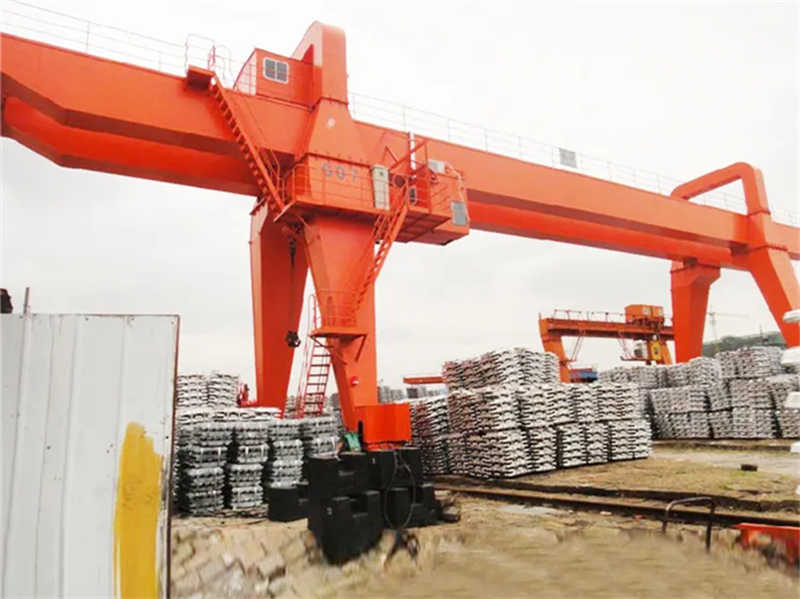
Double Girder Gantry Crane
For heavy-duty outdoor lifting
| Specification | Details |
|---|---|
| Capacity | 5 to 100+ tons (customized) |
| Span | Customized to your site |
| Lifting Height | Customized to your requirements |
| Application | Container yards, precast yards, mining stockpiles, rail terminals, shipbuilding |
Application Advantages in Australia:
- Handles the heaviest loads with stability—ideal for mining and resources sectors
- Can straddle multiple lanes or stockpiles in logistics yards
- Customizable for rail mount or rubber tyre operation
- Suitable for infrastructure projects and port operations
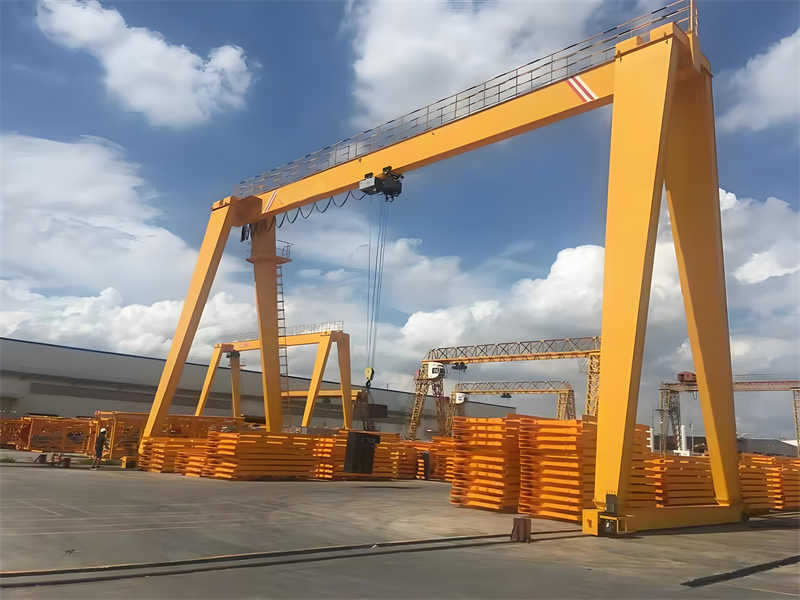
Single Girder Gantry Crane
Cost-effective flexibility for storage and workshops
| Specification | Details |
|---|---|
| Capacity | 1 to 20 tons |
| Span | Customized |
| Lifting Height | Customized, fixed or adjustable legs |
| Application | Steel yards, pipe storage, timber yards, maintenance depots |
Application Advantages in Australia:
- Lighter and more portable than double girder
- Lower initial investment
- Can be moved to different work areas
- Suitable for indoor or outdoor use
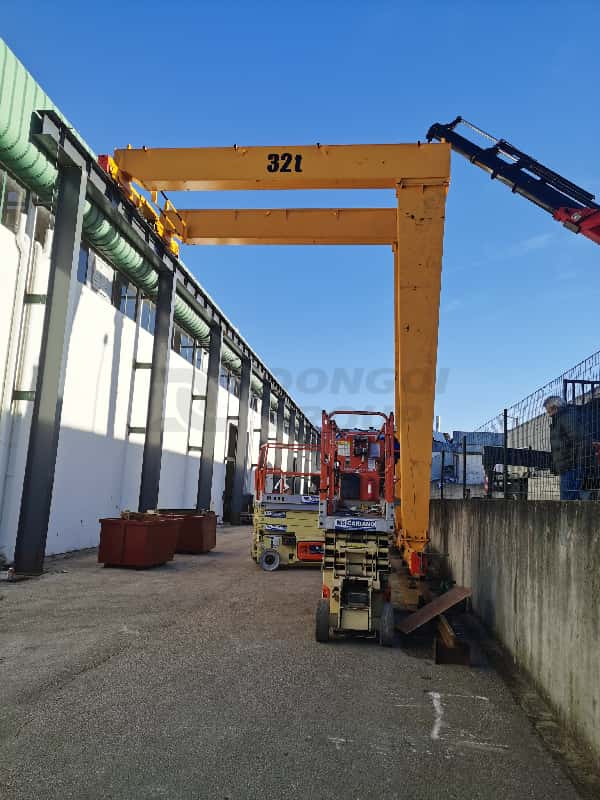
Semi Gantry Crane
Extend coverage from workshop to yard
One leg runs on a floor rail, the other on an elevated runway. Perfect for facilities that need to move loads from inside a workshop to an outside yard without transferring to another crane.
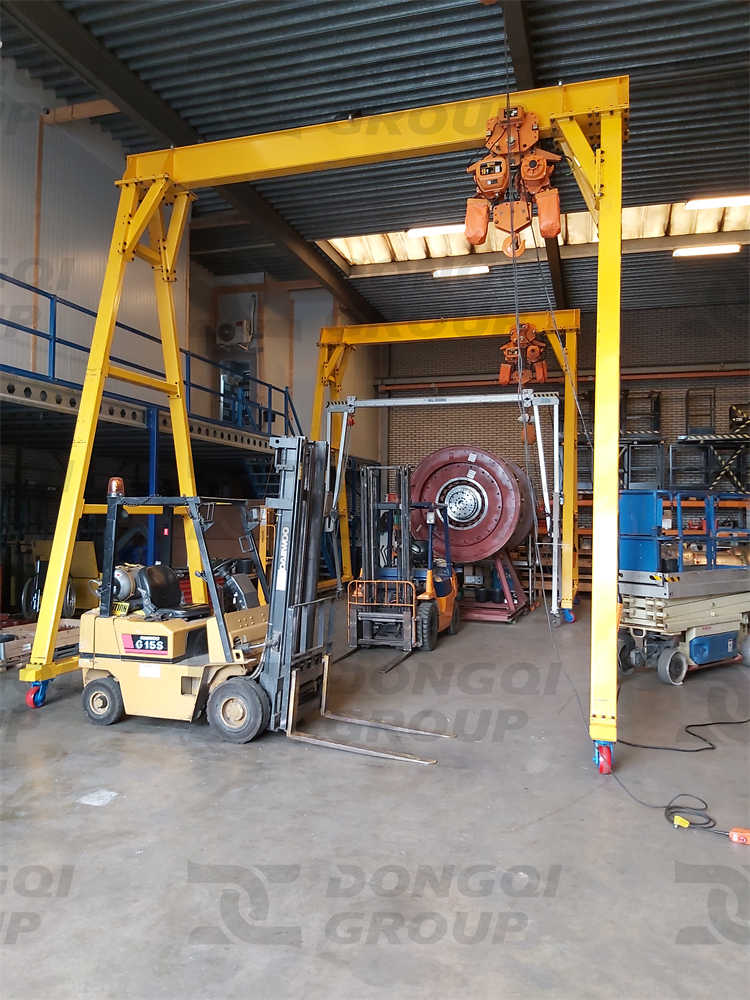
Portable Gantry Crane / A-frame Crane
Lightweight, mobile lifting
Adjustable height, mounted on castors. Ideal for maintenance tasks, lifting pumps and motors, and areas without existing lifting infrastructure.
Overhead Bridge Cranes for Australian Workshops and Factories
The 2025 data shows a more selective market for overhead cranes. Australian buyers are looking for equipment that delivers long-term value. Our overhead crane range is designed to meet that need.
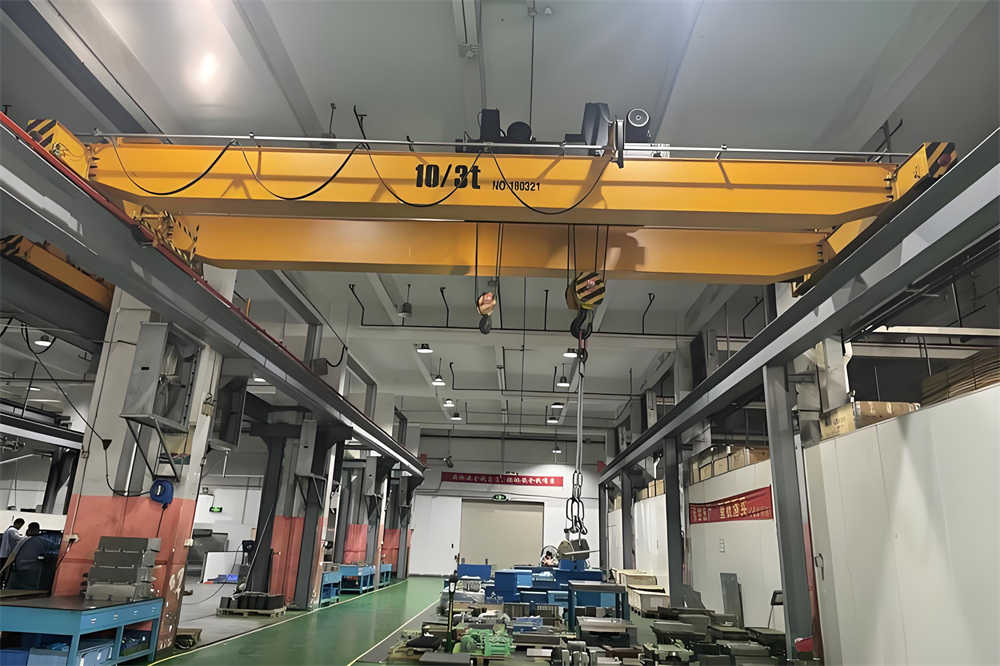
LH Type Double Girder Hoist Overhead Crane
Compact design for workshops with limited space
| Specification | Details |
|---|---|
| Capacity | 0.5 to 30 tons (customized) |
| Span | 10.5m to 31.5m (customized) |
| Lifting Height | 3m to 48m (customized) |
| Working Environment | -20°C to +40°C |
| Voltage | 380V 50Hz 3P AC (Australian standard) |
Application Advantages in Australia:
Mechanical and Metal Fabrication
Perfect for machine shops and fabrication plants. Used for transporting heavy dies, molds, and fabricated steel assemblies. Adjustable speed allows precise positioning of workpieces.
General Warehousing and Logistics
Ideal for large warehouses needing to lift and move palletized goods or heavy machinery during maintenance. Enhances storage density by allowing higher stacking.
Maintenance Facilities
Widely used in workshops for vehicle, mining equipment, or aircraft maintenance. Reliable lifting of engines and components.
Key Characteristics:
- Compact structure, low building clearance
- Light body weight, low wheel loading
- Maximizes lifting height to make full use of workshop space
- Stable travelling with adjustable speed
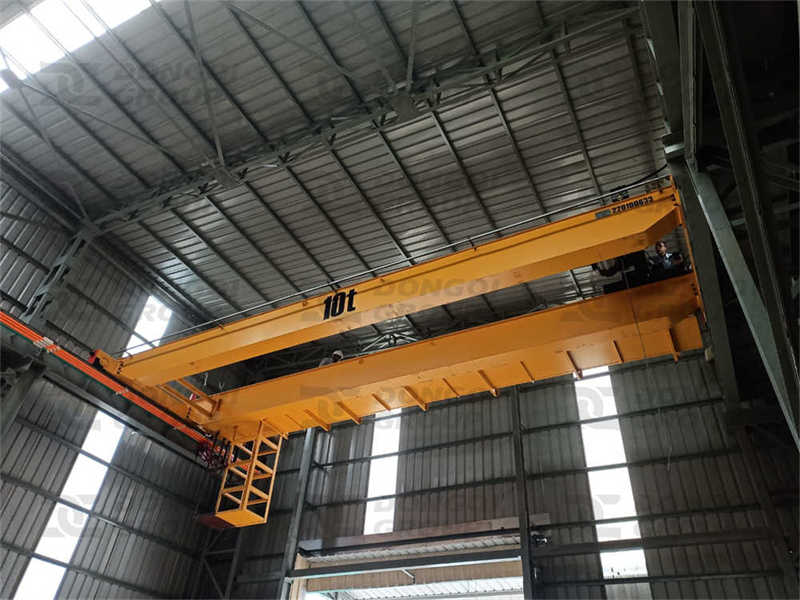
QDX Type European Double Girder Hoist Overhead Crane
High-performance design for demanding applications
| Specification | Details |
|---|---|
| Capacity | 1 to 80 tons (customized) |
| Span | 7.5m to 28.5m (customized) |
| Lifting Height | Customized to client requirements |
| Working Environment | -20°C to +40°C |
| Voltage | 380V 50Hz 3P AC |
Application Advantages in Australia:
Heavy Machinery and Automotive Assembly
Precise control and smooth operation (available with VFD) are crucial for assembling large components like mining equipment or on automotive production lines.
Infrastructure and Precast Yards
For precast concrete yards or steel fabrication for bridges, high capacity and efficient operation speed up handling of heavy beams and panels.
Energy and Resource Sector
In wind tower fabrication or maintenance facilities for oil and gas equipment, reliability and ability to handle frequent, heavy lifts are valuable. Lightweight design reduces load on existing support structures.
Key Characteristics:
- European standard design concept
- Small size, light weight
- Low wheel pressure
- High efficiency and energy saving
- Equipped with advanced safety protection devices: overload protection, limit protection, emergency stop
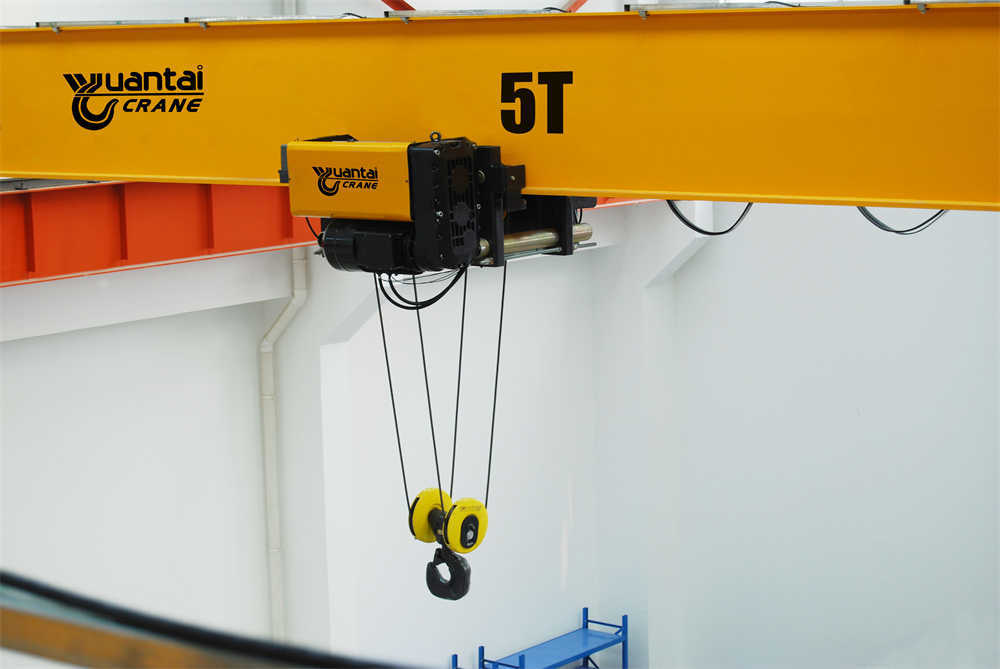
HD Type Single Girder Electric Hoist Crane
Efficient and cost-effective for light to medium duty
| Specification | Details |
|---|---|
| Capacity | 1 to 20 tons |
| Span | 7.5m to 28.5m (customized) |
| Working Class | A3, A4, A5 |
| Working Environment | -20°C to +40°C |
| Voltage | 380V 50Hz 3P AC |
Application Advantages in Australia:
Automotive Parts and Light Manufacturing
Ideal for production lines where engines, transmissions, or other parts need to be moved quickly between stations.
Chemical and General Processing
In plants where raw materials or finished goods need occasional lifting, simplicity and reliability ensure smooth operations.
Maintenance and Repair Shops (MRO)
Perfect for smaller MRO facilities handling pumps, motors, or other machinery. Compact size doesn’t dominate workshop space.
Special Environments
With suitable material selection, can be adapted for use in moderately corrosive or humid environments common in coastal areas of Australia.
Key Characteristics:
- Light weight, compact structure
- Low energy consumption
- Flexible and easy to install
- Multiple safety protection devices
Jib Cranes for Workstation-Level Lifting
For Australian manufacturing, maintenance, and workshop operations, efficiency isn’t just about moving heavy loads—it’s about moving them precisely, repeatedly, and safely within a defined workspace. Jib cranes bridge the gap between overhead cranes (which cover large areas) and manual handling (which is labor-intensive and risky).
Below is a detailed breakdown of the jib crane models we supply to Australian customers, with specifications and applications tailored to local industry needs.
BZ Type Pillar Jib Crane
Freestanding, 360-degree rotation
The pillar jib crane is a self-supporting unit mounted on a concrete foundation. It provides full circular coverage, making it ideal for workstations that need access from all sides.
| Specification | Details |
|---|---|
| Capacity | 0.25 to 5 tons (customizable up to 10 tons for special applications) |
| Jib Length (Radius) | 3m to 10m (customized) |
| Rotation | 360 degrees |
| Lifting Height | 3m to 8m (customized to your ceiling height) |
| Hoist Type | Electric wire rope hoist, electric chain hoist, or manual chain block |
| Control | Pendant control or remote radio control |
| Voltage | 380V 50Hz 3P AC (Australian standard) |
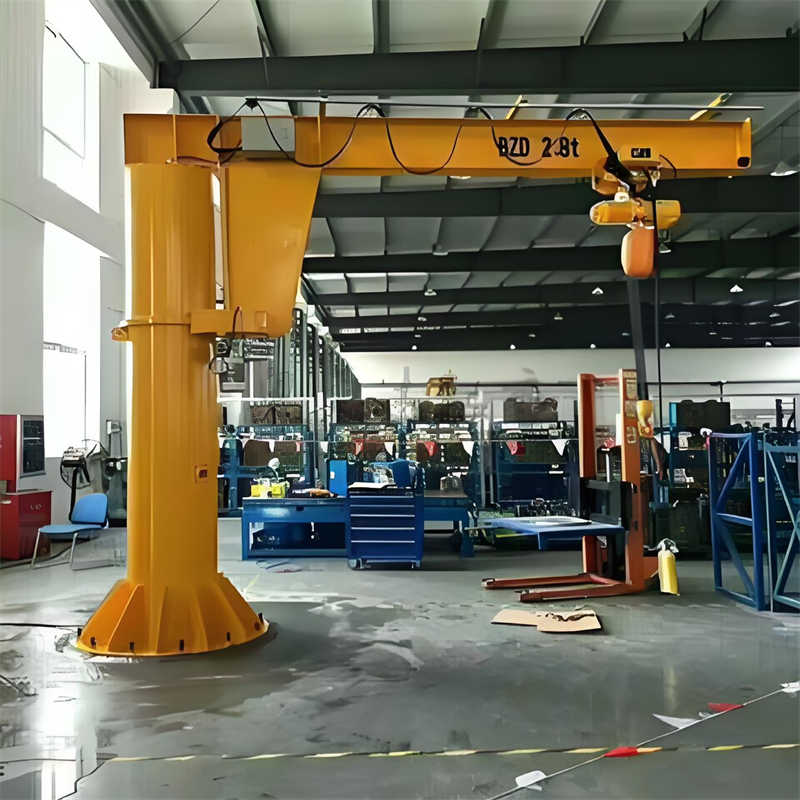
Australian Applications:
Machine Shops and Fabrication Bays
Position a pillar jib crane next to a large lathe, milling machine, or welding position. The operator can load and unload heavy workpieces without waiting for an overhead crane or relying on forklifts.
Assembly Workstations
For products that require components to be lifted into place during assembly, a pillar jib crane gives the assembler independent lifting capacity.
Maintenance Depots
Ideal for stripping and rebuilding pumps, motors, gearboxes, and valves. Position the crane over the workbench—the 360-degree rotation allows access from any angle.
Truck and Plant Maintenance
Outdoor installations can service vehicle bays, allowing mechanics to lift engines, transmissions, and components directly from vehicles.
Installation Requirements:
- Reinforced concrete foundation designed for your specific load and soil conditions
- Our team provides foundation drawings for your civil contractor
BX Type Wall-Mounted Jib Crane
Space-saving, up to 200-degree rotation
When floor space is at a premium, the wall-mounted jib crane is the solution. It bolts directly to a building column or reinforced wall, leaving the floor completely clear.
| Specification | Details |
|---|---|
| Capacity | 0.25 to 3 tons (customizable) |
| Jib Length (Radius) | 3m to 8m (customized) |
| Rotation | Up to 200 degrees (typically 180° or 200° depending on layout) |
| Lifting Height | Customized to your ceiling height |
| Hoist Type | Electric hoist or manual chain block |
| Control | Pendant control |
| Voltage | 380V 50Hz 3P AC |
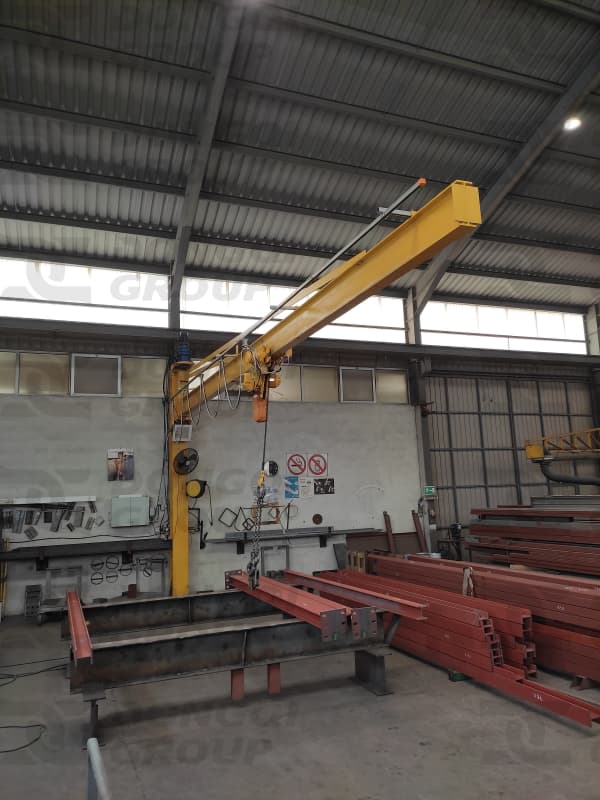
Australian Applications:
Narrow Aisles and Workshops
Perfect for facilities where floor space is too valuable to sacrifice for a freestanding pillar. The crane arm swings out over the work area, but the column is against the wall.
Loading Bays and Docks
Mount along loading dock walls to assist with lifting equipment or goods from trucks. Multiple wall jibs can service a line of parking bays.
Production Lines
Install along the wall of an assembly line. Each workstation has its own jib crane for lifting components into place.
Warehouse Picking and Packing
For heavy item despatch areas, wall jibs allow workers to lift heavy cartons or products onto pallets or trucks.
Installation Requirements:
- The mounting wall or column must be engineered to handle the bending moment and reaction forces
- We provide detailed reaction force calculations and anchor plans for your structural engineer
BB Type Wall-Travelling Jib Crane
Linear coverage along a wall
The wall-travelling jib crane mounts on a rail system fixed to the wall, allowing the entire jib to move horizontally. This extends coverage along a length of the building, serving multiple workstations with one crane.
| Specification | Details |
|---|---|
| Capacity | 0.5 to 3 tons (customizable) |
| Jib Length (Radius) | 3m to 6m (customized) |
| Travel Length | Customized to your building length (typically up to 30m per crane) |
| Rotation | Up to 180 degrees |
| Travel Drive | Electric motor with variable frequency drive option |
| Control | Pendant control or remote control |
| Voltage | 380V 50Hz 3P AC |
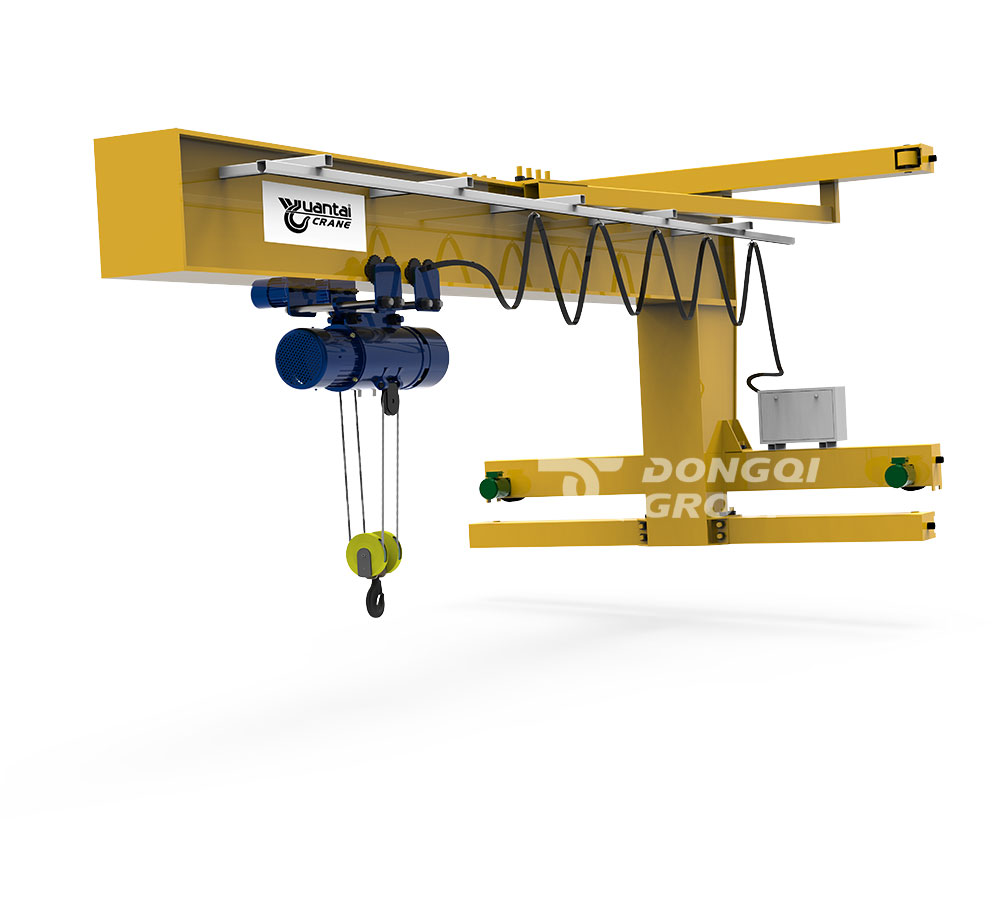
Australian Applications:
Long Assembly Lines
Perfect for facilities assembling long products—trailers, buses, rail components, structural steel. The crane travels along the line, serving each assembly station.
Multiple Bay Coverage
One travelling jib can service several adjacent workstations, reducing the number of cranes needed.
Maintenance Bays
In vehicle or equipment maintenance facilities, a travelling wall jib can move from bay to bay as needed.
Warehouse Despatch
Position along a long despatch wall to assist with loading multiple trucks simultaneously.
Key Advantage:
One crane covers multiple workstations, offering better utilization than fixed-position jibs and lower cost than installing multiple individual units.
Installation Requirements:
- Continuous wall rail system engineered for your loads
- Structural assessment of the wall or column line
- Electrical supply along the travel length
Portable Jib Crane / Mobile Jib Crane
Flexible lifting anywhere in your facility
For facilities with changing workflows or multiple locations needing occasional lifting, the portable jib crane offers maximum flexibility. Mounted on heavy-duty castors, it can be moved anywhere in the workshop or yard.
| Specification | Details |
|---|---|
| Capacity | 0.5 to 2 tons (typically 0.5t, 1t, 2t) |
| Jib Length (Radius) | 2.5m to 4m (typically fixed or adjustable) |
| Lifting Height | 2.5m to 4m (adjustable on some models) |
| Mast Height | Typically 3m to 4m (must clear doorways) |
| Castors | Heavy-duty swivel castors with locks |
| Hoist Type | Manual chain block or small electric hoist |
| Mobility | Manual push (some models available with powered drive option) |
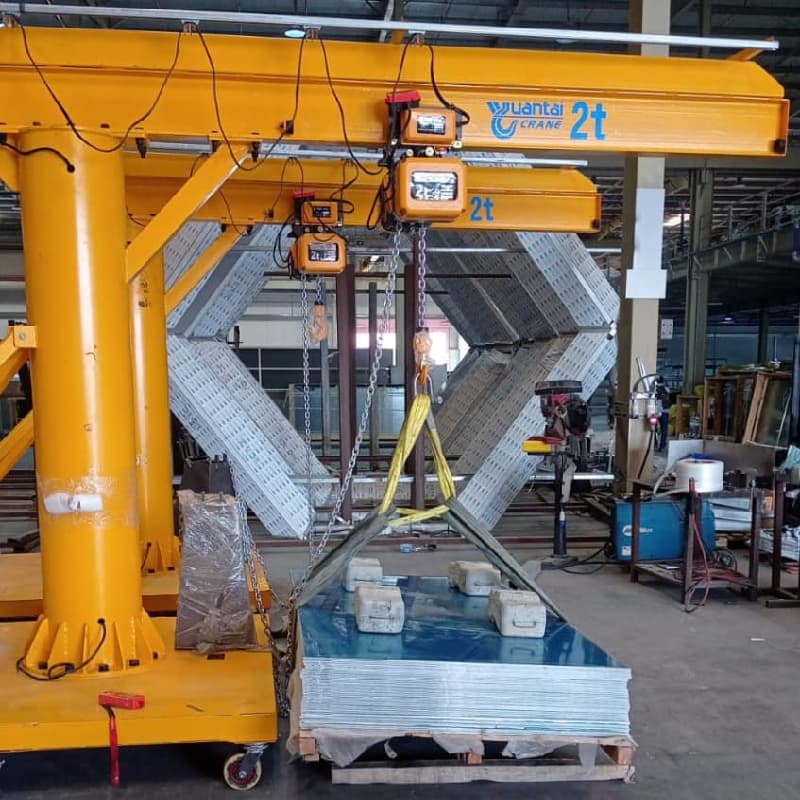
Australian Applications:
Maintenance Departments
Ideal for facilities that don’t have overhead crane coverage in every bay. Move the portable jib to where it’s needed—pump repairs, motor changes, equipment breakdowns.
Small Workshops
For businesses not ready to invest in permanent overhead cranes, a portable jib provides lifting capacity that can be stored away when not in use.
Temporary Work Areas
Construction sites, temporary workshops, or facilities undergoing reconfiguration benefit from cranes that can relocate as work progresses.
Emergency Breakdowns
Keep a portable jib in your maintenance workshop for rapid response to equipment failures anywhere on site.
Rental and Hire
Some Australian customers use portable jibs for short-term projects or as backup equipment during busy periods.
Key Considerations:
Stability
Portable jibs rely on their own weight and the load for stability. They must be used on level, smooth, hard surfaces. Outriggers or stabilizers are required before lifting.
Mobility
Manual movement is suitable for smooth floors and occasional relocation. For frequent moves, consider powered drive options.
Storage
The crane must be moved to a storage location when not in use. Ensure door heights and pathways are clear.
Adjustable Height Models:
Some portable jibs feature telescopic masts, allowing you to adjust lifting height for different applications. This is particularly useful in facilities with varying clearance requirements.
Hoist Options for Jib Cranes
Your jib crane is only as good as the hoist fitted to it. We offer several options depending on your application:
Electric Wire Rope Hoist (CD1 / MD1)
- Suitable for capacities above 1 ton
- Reliable for frequent use
- MD1 model offers dual speed for precise positioning
- Ideal for production environments
Electric Chain Hoist
- Compact and lightweight
- Faster lifting speeds than wire rope
- Excellent for frequent, repetitive lifting
- Good for assembly and maintenance applications
Manual Chain Block
- Simple, low-cost solution
- No electrical supply required
- Suitable for occasional use
- Ideal for portable jib cranes and light-duty applications
Low Headroom Hoist
- Maximizes lifting height in spaces with limited clearance
- Available in both electric wire rope and chain configurations
- Essential when jib cranes are installed close to ceiling level
Common Australian Applications: Jib Cranes in Action
To help you visualize how jib cranes might fit your facility, here are real scenarios from Australian industries:
Scenario 1: Mining Equipment Overhaul Workshop
Challenge: Technicians rebuilding large pumps and motors needed lifting capacity at each workstation, but the main overhead crane was constantly busy moving major components.
Solution: Pillar jib cranes installed at four rebuild stands. Each technician now has independent lifting capacity for sub-assemblies. Main crane reserved for major lifts.
Scenario 2: General Engineering Fabrication
Challenge: Welding bays along one wall needed lifting for positioning heavy steel sections, but floor space was too tight for pillar cranes.
Solution: Wall-mounted jib cranes installed every 8 meters along the wall. Each welder swings the arm over their bay to position steel, swings it back against wall when not in use.
Scenario 3: Agricultural Equipment Dealer
Challenge: Service bays needed lifting capacity for tractor transmissions and components, but installing full overhead cranes was cost-prohibitive.
Solution: Mobile portable jib cranes moved between bays as needed. One crane serves four service bays. Stored against wall when not in use.
Scenario 4: Transport Company Maintenance Facility
Challenge: Truck workshop needed to lift engines and gearboxes from multiple bays along a 40-meter wall.
Solution: Wall-travelling jib crane installed on continuous rail. Crane moves from bay to bay, serving all maintenance positions with one unit.
Scenario 5: Small Engineering Workshop
Challenge: Startup workshop with limited capital wanted lifting capacity without committing to expensive building modifications.
Solution: 1-ton portable jib crane with manual chain block. Provides lifting anywhere in workshop. Can be rolled outside for yard work. No building alterations required.
How Our Direct Model Works for Australian Customers
Step 1: Inquiry
You contact us with your requirements: capacity, span, lifting height, application, and any specific needs (coatings, voltage, controls).
Step 2: Proposal and Drawing
We provide a quotation and technical drawings for your approval. You deal directly with our engineering team.
Step 3: Manufacturing
Once specifications are confirmed, we manufacture your crane. You can request progress updates and photos.
Step 4: Shipping
We arrange sea freight to your chosen Australian port: Sydney, Melbourne, Brisbane, Perth, Adelaide, or others. We handle documentation for customs clearance.
Step 5: Delivery and Support
Your crane arrives at the port. You arrange transport to site and installation. We provide:
- Detailed installation manuals and drawings
- Video call support for technical questions
- Email and phone response during Australian business hours
Optional: Our engineers can travel to Australia for on-site supervision during installation and commissioning (arranged separately).
What Australian Customers Should Know About Importing
Shipping Time
Sea freight from China to Australia typically takes 3-5 weeks, depending on the port.
Documentation
We provide all necessary shipping and customs documentation. Australian customs clearance is handled by your nominated freight forwarder or broker.
Installation
Most Australian customers arrange local installation. We provide detailed instructions and remote support. Some customers prefer to handle installation with their own maintenance teams.
After-Sales Support
For technical issues, contact us directly. We’ll diagnose and advise by email or video call. If parts are needed, we ship them promptly.
Contact Dongqi Crane
Whether you’re planning a new infrastructure project, upgrading a workshop, or expanding a logistics yard, we’re here to help.
Email: sales010@cranesdq.com
Please include in your inquiry:
- Crane type (gantry, overhead, jib, hoist)
- Required capacity (tons)
- Span width (distance between rail centers)
- Lifting height
- Application details
- Any special requirements (coatings, voltage, controls)
We’ll respond with specifications and pricing tailored to your Australian project.
Dongqi Crane: Serving Australian Industry for Over Ten Years — Direct from Manufacturer
