
9-Apr-2026
5 Critical Questions to Answer Before Buying an Overhead Crane for Your Factory
A Pre-Purchase Guide for Plant Managers, Procurement Directors, and Project Engineers Worldwide
You are about to invest in a piece of equipment that will literally keep your production line moving. Whether you are expanding a facility in Germany, upgrading a workshop in Brazil, or setting up a new plant in India, purchasing an overhead crane is a significant capital decision.
Many buyers make the mistake of sending a Request for Quotation (RFQ) with only one specification: “We need a 10-ton crane.”
This is a recipe for a misaligned quote, future downtime, and hidden costs. To ensure you get the right crane for the right application—and to compare supplier quotes accurately—you must answer five foundational questions before you click “send” on that inquiry.

Question 1: What Are Your True Load Specifications and Working Environment?
This seems obvious, but “lifting capacity” is only the starting point. A 10-ton crane used twice a week to change a mold is a completely different machine than a 10-ton crane moving steel coils 16 hours a day.
Crucial Distinctions to Define:
- The Actual Lift Load: Is the 10-ton load the gross weight (including rigging and hook) or the net weight? If you are using a spreader beam or vacuum lifter, that dead weight must be added to the capacity calculation.
- Work Duty Classification (FEM / CMAA / ISO): This is the single most overlooked factor by first-time buyers.
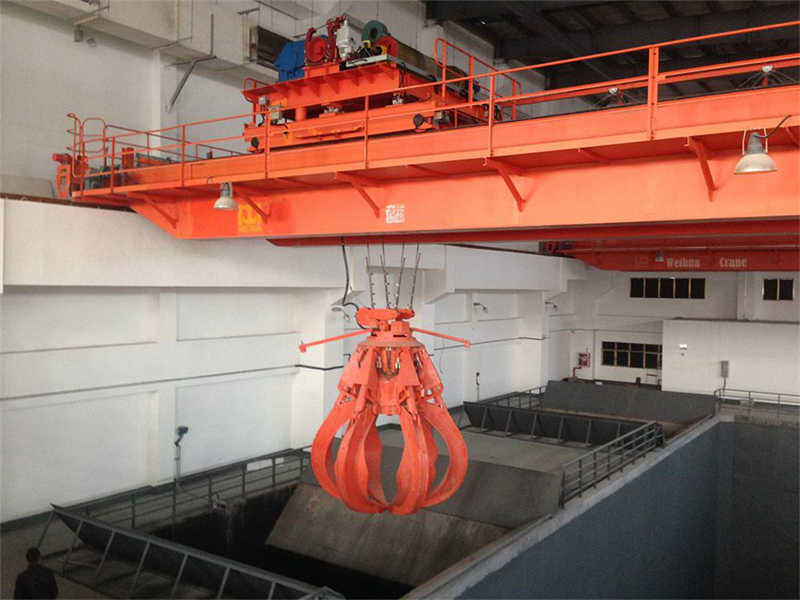
- M3 / Class C (Light Duty): Suitable for infrequent use, slow speeds, maintenance access (e.g., occasionally moving a pump).
- M6 / Class D (Heavy Duty): Required for continuous production, high speeds, and frequent lifts (e.g., steel warehousing or automotive assembly).
- Warning: Buying an M3 crane for an M6 application will lead to premature gearbox failure, cracked steel structures, and voided warranties within the first year.
- Environmental Hazards:
- Heat & Dust: If the crane operates near a furnace or in a foundry, standard electrical enclosures (IP54) will fail. You need IP65 sealed panels and high-temperature rated motors.
- Corrosion: If the facility is coastal (high salinity) or in a chemical processing plant, standard structural paint is insufficient. You require C5-M marine grade coating or hot-dip galvanized components to prevent structural rust through.
Actionable Takeaway: Before contacting suppliers, know your FEM/CMAA class and the ambient temperature range of your facility.
Question 2: What Are Your Exact Building Constraints (Not Just Length x Width)?
The crane fits inside your building. The building always wins. Suppliers cannot bend physics, so providing exact hook dimensions is critical to avoiding costly installation delays.
Measurements You Must Have Ready:
- Available Hook Height (Clear Lift): The vertical distance from the floor to the highest point the hook must reach. Crucially, this is NOT the ceiling height. You must account for:
- The depth of the crane girder (bridge).
- The height of the hoist/trolley.
- Safety clearance required by local code (often 100mm-200mm between the top of the crane and the bottom of roof trusses).
- Runway and Support Information:
- Are you installing on existing runway beams? If yes, what is the wheel load capacity of those old beams? The new crane might be lighter but exert more point pressure.
- What is the span (center-to-center of the runway rails)? A discrepancy of even 100mm can derail the crane or cause severe flange wear.
The “Low Headroom” Solution:
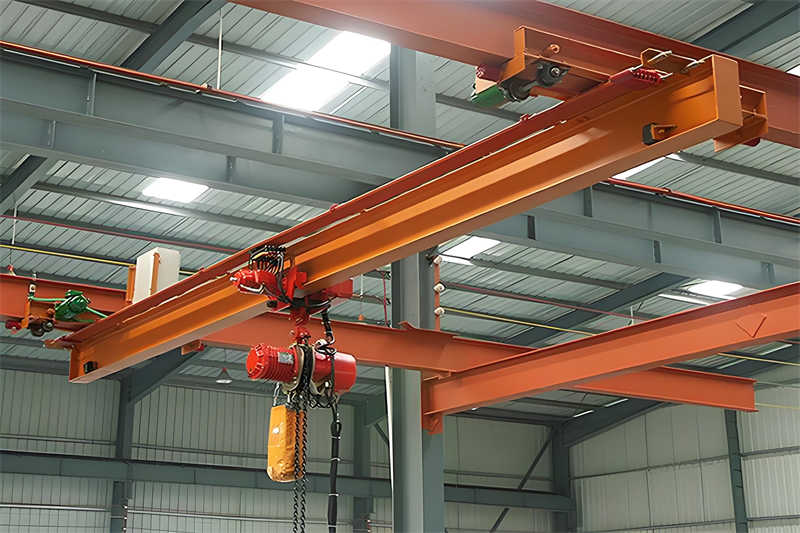
If your building is old or has a low ceiling, do not despair. Modern Low Headroom (LHR) trolley designs allow the hoist to sit beside the girder rather than under it. This can recover 300mm to 600mm of lifting height—often the difference between scrapping a project or making it viable.
Question 3: What Are Your Electrical Requirements and Power Supply Stability?
An overhead crane is an electro-mechanical asset. In many industrial parks worldwide, power supply is not always clean or stable. The electronics inside the panel must match the grid reality.
Specify Your Power Profile:
- Voltage and Phase: Standard in North America is 460V/3Ph/60Hz. In much of Asia, Europe, and Africa, it is 380-400V/3Ph/50Hz. Do not assume the supplier knows. Mismatched motors will burn out.
- Power Supply Quality: Is your factory prone to voltage spikes or brownouts? If yes, you must specify Line Reactors or Phase Monitoring Relays in the crane’s electrical cabinet to protect the Variable Frequency Drives (VFDs).
Control System Preferences:
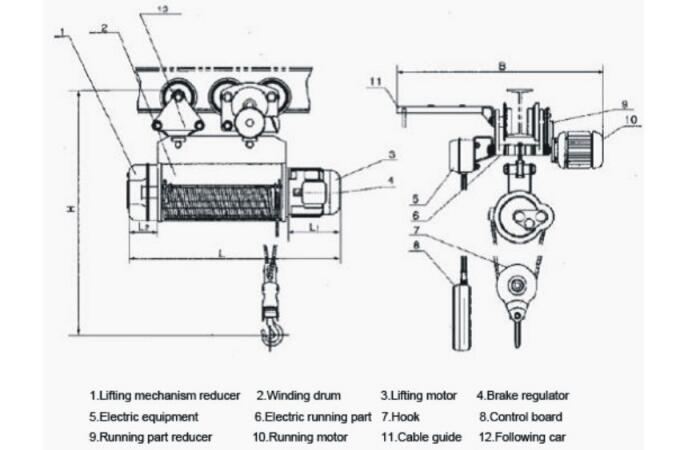
- Pendant Control: A tethered cord hanging from the hoist. Simple, durable, and low cost. Best for simple, intermittent lifts.
- Radio Remote Control: The industry standard for safety and efficiency. Allows the operator to stand at a safe distance from the load.
- Automation Interface: Does this crane need to “talk” to your plant’s SCADA or ERP system? Do you need Condition Monitoring sensors that predict maintenance? This requires specifying smart relays or IoT gateways upfront; retrofitting them later is significantly more expensive.
Question 4: What Is the Total Cost of Ownership (TCO), Not Just the Purchase Price?
This is the question that separates strategic buyers from transactional purchasers. The initial invoice price represents only about 15-20% of the total cost of operating that crane over its 15-20 year lifespan.
The Hidden Cost Breakdown:
| Cost Category | Standard Crane (Lower Capex) | Premium Crane (Higher Capex) |
|---|---|---|
| Energy Consumption | IE2 Motors / Standard Gearbox | IE4/IE5 Motors / High-Efficiency Gears (5-10% energy savings annually) |
| Maintenance (Year 1-5) | Frequent brake adjustments, contactor replacements | Minimal (VFD control reduces mechanical wear) |
| Component Life | Rope life: 2-3 years | Rope life: 5-7 years (due to better sheave design) |
| Downtime Cost | Parts may require long lead times (ex-stock) | Common spares shared across platform design |
The Critical Question to Ask Suppliers:
“What is the Rope Drum Ratio and what is the Motor Duty Cycle (S4 rating)?”
- A higher ratio means smoother lifting and longer rope life.
- An S4-40% motor is designed for continuous start/stop. An S3-25% motor is not.
Actionable Takeaway: When comparing quotes, add a line item for estimated 10-year energy consumption. This often reveals that a “cheaper” crane will cost more over its lifetime due to electrical inefficiency.
Question 5: What Is the Verification and Compliance Path for Installation?
A crane sitting on your floor in parts is a pile of scrap metal. The value lies in its certified installation. Different countries have vastly different regulatory landscapes.
Compliance and Documentation Checklist:
- Local Standards & Certifications: Do you need a Certificate of Conformity (CoC) ? Do the welds need to meet AWS D14.1 (USA), EN 1090 (Europe), or AS 1418 (Australia)? Request the supplier’s Welding Procedure Specification (WPS) documentation.
- Installation Responsibility: Is the supplier providing a supervisor only, or a turnkey installation team? If you are using a local third-party installer, does the crane supplier provide a detailed Assembly Instruction Manual (AIM) with torque values and alignment tolerances?
- Load Testing and Commissioning: Will the crane be tested at 100% SWL (Safe Working Load) or 125% SWL? Will you receive a Load Test Certificate and Geometric Survey Report showing the wheel alignment and camber? This is essential documentation for insurance purposes and future safety audits.
Conclusion: A Better RFQ = A Better Crane
By answering these five questions before you open negotiations, you transform from a buyer seeking a commodity “10-ton crane” into a project manager engineering a material handling solution.
Your Next Steps:
- Download the Pre-Purchase Checklist: Compile the answers to these five questions into a single document.
- Walk the Floor: Physically measure the available hook height and runway span yourself—do not trust old building drawings.
- Request a Tailored Consultation: Use this refined information to request a quote that matches your specific Work Duty and Total Cost of Ownership requirements.
Ready to discuss your specific factory layout? [Contact our engineering team for a free consultation on your next overhead crane project.]
