
22-Jul-2025
Explosion-Proof Double-Girder Overhead Crane Selection Guide for Chemical Plants
Compliant, Customized, and Cost-Effective Solutions by Dongqi Crane
Introduction
In chemical plants, refineries, and hazardous industrial facilities, the safe handling of heavy materials is not just a matter of efficiency—it’s a critical safety imperative. Explosive gases, flammable liquids, and corrosive environments demand specialized lifting equipment designed to eliminate ignition risks while maintaining high performance.
Why Explosion-Proof Cranes Are Non-Negotiable in Chemical Plants
Chemical processing zones are classified as hazardous areas (Zone 1/2, Group IIB/IIC) due to the potential presence of flammable substances such as:
- Methane, ethylene, hydrogen sulfide (Gas Group IIB/IIC)
- Combustible dust (Group IIIA/B/C)
A single spark from conventional crane components—such as brakes, motors, or electrical contacts—can trigger catastrophic incidents. This is why explosion-proof double-girder overhead cranes are mandated in such environments, featuring:
✔ Spark-resistant mechanical systems (e.g., non-ferrous wheels, anti-friction sheaves)
✔ ATEX/IECEx-certified electrical components (preventing arcs/short circuits)
✔ Redundant safety mechanisms (dual limit switches, emergency brakes)
The Challenges of Selecting the Right Crane
Many plant managers and engineers face critical decisions when specifying explosion-proof cranes, including:
- Matching crane specs to hazard zones (e.g., ExdIIBT4 vs. ExdIICT4)
- Balancing load capacity (5–350T) with spatial constraints
- Ensuring compliance with global standards (ATEX, IECEx, OSHA, GB3836)
- Minimizing lifecycle costs without compromising safety
How Dongqi Crane Delivers Trusted Solutions
With 30+ years of engineering expertise, Dongqi Crane provides fully certified, custom-built explosion-proof cranes for chemical plants worldwide. Our solutions are:
🔹 Compliant: Meet ATEX, IECEx, NEC, and GB3836 standards.
🔹 Customizable: From compact 5-ton cranes to heavy-duty 350-ton systems.
🔹 Smart & Safe: Optional real-time load monitoring, anti-sway, and remote diagnostics.
🔹 Cost-Optimized: Energy-efficient motors and modular designs for future upgrades.
Whether you’re retrofitting an existing facility or designing a new plant, this guide will help you:
✅ Understand key technical & safety requirements
✅ Select the right explosion-proof crane configuration
✅ Ensure compliance with global hazardous area standards
✅ Optimize costs without sacrificing reliability
Next, we’ll break down the critical hazards in chemical plants and how explosion-proof cranes mitigate them.

1. Hazard Analysis & Operational Challenges in Chemical Plants
Selecting the right explosion-proof double-girder overhead crane for a chemical plant requires a thorough understanding of the hazardous environment and operational risks. Failure to account for these factors can lead to catastrophic accidents, regulatory violations, and costly downtime. Below, we analyze the key hazards and challenges that influence crane selection.
1.1 Explosive Atmospheres: Classifications & Risks
Chemical plants are classified into hazardous zones based on the frequency and duration of explosive gas/dust presence:
Zone Classifications (IEC/ATEX/NEC Standards)
| Zone | Risk Level | Typical Conditions | Required Protection |
|---|---|---|---|
| Zone 0 | Continuous hazard | Explosive atmosphere always present (e.g., inside tanks) | Intrinsically safe (Ex ia/ib) |
| Zone 1 | High risk | Explosive mixtures likely during normal operations | Flameproof (Ex d), Increased Safety (Ex e) |
| Zone 2 | Moderate risk | Explosive mixtures rare and short-lived | Non-sparking (Ex n), Pressurized (Ex p) |
- Gas Groups (IIA, IIB, IIC):
- IIA (Propane, methane) → Lower ignition risk
- IIB (Ethylene) → Moderate risk
- IIC (Hydrogen, acetylene) → Highest risk (requires Ex dIICT4)
- Temperature Classes (T1-T6):
- T4 (≤135°C) is common for chemical plants (e.g., ethanol, acetone).
- T3 (≤200°C) may be required for high-heat processes.
Dust Hazards (Group IIIA/B/C)
- Combustible dust (e.g., coal, sulfur, metal powders) requires IP6X-rated enclosures to prevent ingress.
1.2 Common Ignition Sources in Overhead Cranes
Even a minor spark can trigger an explosion. Key risk areas in crane operation include:
Mechanical Ignition Risks
- Wheel & Rail Friction: Standard steel wheels can generate sparks under heavy loads.
- Solution: Stainless steel or beryllium bronze wheels (non-sparking).
- Braking Systems: Overheated brakes can ignite gases.
- Solution: Fail-safe electromagnetic brakes with thermal sensors.
Electrical Ignition Risks
- Motors & Switches: Arcing in standard motors can ignite flammable vapors.
- Solution: ATEX-certified (Ex d/Ex e) motors with IP66 protection.
- Cable & Wiring: Damaged insulation can cause short circuits.
- Solution: Heavy-duty, abrasion-resistant cables with gland seals.
Environmental & Operational Challenges
- Corrosion: Acidic/alkaline fumes degrade metal components.
- Solution: 316 stainless steel or epoxy-coated structures.
- Extreme Temperatures: High heat weakens materials; cold reduces lubrication efficiency.
- Solution: High-temp grease, insulated cab heaters.
- Humidity & Condensation: Promotes electrical faults and rust.
- Solution: Dehumidified control panels, conformal coatings.
1.3 Consequences of Poor Crane Selection
Choosing an inadequate crane for hazardous areas can result in:
- Explosions & Fires → Catastrophic facility damage, injuries, fatalities.
- Regulatory Fines → Non-compliance with ATEX, OSHA, or IECEx leads to penalties.
- Downtime & Lost Revenue → Unexpected failures halt production.
- Increased Maintenance Costs → Corrosion/spark damage shortens equipment life.
How Dongqi Crane Mitigates These Risks
Our explosion-proof double-girder cranes are engineered to eliminate hazards with:
✔ Ex d/Ex e certified components – No sparks, no risks.
✔ Custom material upgrades – Stainless steel, bronze, or coated parts for corrosion resistance.
✔ Smart monitoring systems – Thermal sensors, load limiters, and real-time diagnostics.
✔ Global compliance assurance – Meets ATEX, IECEx, NEC, and GB3836 standards.
Next, we’ll explore the technical specifications needed for safe, efficient crane operation in chemical plants.
Key Takeaways for Engineers & Safety Managers
- Zone classification dictates protection level (Ex d for Zone 1, Ex n for Zone 2).
- Mechanical & electrical spark risks must be eliminated via specialized materials and certifications.
- Environmental factors (corrosion, temperature, humidity) impact crane longevity.
- Non-compliant cranes risk explosions, fines, and operational failures.
This section ensures readers grasp the critical hazards before moving into technical crane specifications. Would you like additional case studies or compliance examples?
2. Technical Specifications for Explosion-Proof Cranes
2.1 Core Performance Parameters
| Parameter | Standard Range | Custom Options |
|---|---|---|
| Capacity | 5–100 tons | Up to 350 tons |
| Span | ≤31.5m | Modular extensions |
| Lifting Height | 12–22m | 50m (deep tank areas) |
| Duty Cycle | A4/A5 (medium frequency) | A6/A7 (metallurgy-grade) |
2.2 Explosion-Proof Component Selection
- Mechanical Safety:
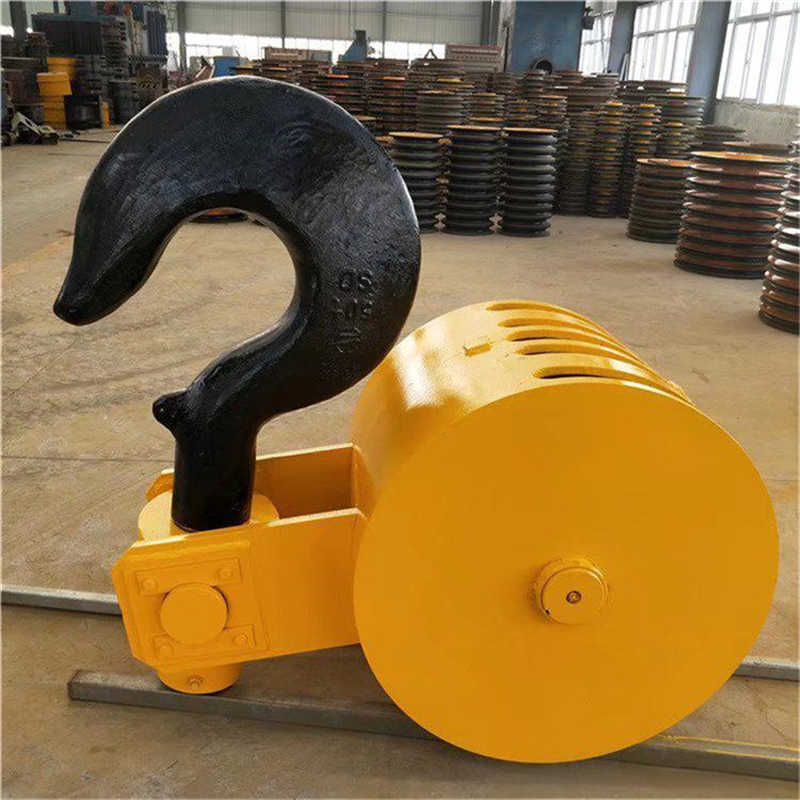
- Wheels: Stainless steel/beryllium bronze (anti-sparking).
- Sheaves: Nylon-coated (friction-free).
- Electrical Safety:
- Motors: ATEX-certified, IP66-rated (dust/waterproof).
- Controls: Soft-start systems (reduce surge currents).
- Redundant Protections:
- Dual limit switches (hoist/trolley).
- Emergency stop + overload sensors.
3. Compliance & Certifications for Explosion-Proof Cranes in Chemical Plants
Selecting an explosion-proof double-girder overhead crane for chemical processing facilities requires strict adherence to international, regional, and industry-specific safety standards. Compliance is not optional—it’s a legal and operational necessity to prevent catastrophic failures, regulatory penalties, and workplace accidents.
This section breaks down the mandatory certifications, testing protocols, and how Dongqi Crane guarantees full compliance for hazardous environments.
3.1 Global Explosion-Proof Standards & Directives
(1) International Standards (IECEx System)
- IEC 60079 Series – The benchmark for explosive atmosphere equipment.
- IECEx Certification verifies that cranes meet uniform global safety requirements, ensuring acceptance across 40+ member countries.
- Key tests: Explosion containment (Ex d), non-sparking (Ex n), intrinsic safety (Ex i).
(2) European ATEX Directive (2014/34/EU)
- ATEX Certification is mandatory for all equipment operating in EU hazardous zones.
- Equipment Categories:
- Category 1 (Zone 0/20) – Highest protection (Ex ia, Ex ma).
- Category 2 (Zone 1/21) – Flameproof/Increased Safety (Ex d, Ex e).
- Category 3 (Zone 2/22) – Non-incendive (Ex n, Ex p).
- Essential Health & Safety Requirements (EHSR) must be documented in a Technical File.
(3) North American Standards (NEC & OSHA)
- NEC (NFPA 70) / OSHA 1910.307 – Classifies hazardous locations:
- Class I (Gases): Division 1 (high risk) & Division 2 (low risk).
- Class II (Dust): Combustible particulate hazards.
- UL 1203 (Explosion-Proof Equipment) – Required for US/Canada market access.
(4) Chinese National Standards (GB & NEPSI)
- GB 3836.1-2021 – Equivalent to IECEx, covering:
- Ex d (Flameproof), Ex e (Increased Safety), Ex i (Intrinsic Safety).
- NEPSI Certification – China’s explosion-proof equipment approval body.
3.2 Industry-Specific Regulations
Beyond general explosion-proof standards, chemical plants must comply with:
- API RP 14F (Oil & Gas) – Electrical systems in flammable zones.
- EN 1127-1 (Chemical Process Safety) – Explosion prevention measures.
- PED 2014/68/EU (Pressure Equipment) – If cranes handle pressurized vessels.
3.3 Dongqi Crane’s Compliance Assurance
(1) Full Certification Coverage
All Dongqi explosion-proof cranes are third-party tested and carry:
✔ IECEx & ATEX Certificates – Global market access.
✔ NEPSI & GB3836 Compliance – Mandatory for China operations.
✔ UL/CSA (North America) – Optional for US/Canada projects.
(2) Rigorous Testing Protocols
- Explosion Containment Test – Ensures housing withstands internal blasts.
- Temperature Rise Test – Verifies components don’t exceed T-class limits.
- IP66 Dust/Water Ingress Test – Confirms sealing integrity.
- Mechanical Spark Test – Validates non-ferrous materials won’t ignite gases.
(3) Documentation & Traceability
- EU Declaration of Conformity (DoC) – Required for ATEX.
- Ex Testing Laboratory Reports – Available upon request.
- Material Certificates (3.1/3.2) – Proof of stainless steel/bronze compliance.
3.4 Consequences of Non-Compliance
Using uncertified cranes in chemical plants risks:
- Legal Penalties – Fines up to €500,000 under ATEX.
- Insurance Nullification – Claims denied after accidents.
- Operational Shutdowns – Authorities can halt production.
- Reputation Damage – Loss of stakeholder trust.
Key Takeaways for Procurement Teams
✅ IECEx & ATEX are the gold standards – Ensure your supplier has them.
✅ NEC/OSHA applies in North America – Check for UL/CSA marks.
✅ Dongqi provides full certification packages – No compliance gaps.
✅ Testing reports must be verifiable – Always request documentation.
Next, we’ll explore how Dongqi customizes cranes for different chemical plant applications.
Why This Matters for Your Plant
Choosing a fully certified explosion-proof crane ensures:
✔ Safety – No ignition risks in volatile areas.
✔ Legal Protection – Avoid fines and shutdowns.
✔ Long-Term ROI – Reliable operation with fewer failures.
Need help verifying certifications for your project?
➔ Contact Dongqi’s Compliance Team for audit support.
This section reinforces Dongqi’s technical credibility while helping buyers navigate complex regulations. Should we add a comparison table of global standards?
4. Customized Solutions by Application
4.1 Scenario-Based Configurations
- Small Workshops: 5–20t LH hoist cranes (compact, radio remote control).
- Tank Farms: 50t+ QD winch cranes (dual-hook synchronization).
- High-Temperature Areas: Copper-steel festoon systems (heat-resistant).
4.2 Smart Safety Upgrades
- Real-time load monitoring (wireless telemetry + digital displays).
- Anti-sway systems (for precision positioning).
- Insulated cabins (for operators in extreme conditions).
5. Lifecycle Support & Global Expertise
5.1 End-to-End Services
- Pre-sale: Free 3D layout simulation + hazard zone assessment.
- Installation: On-site supervision or remote guidance.
- Maintenance:
- 24/7 fault diagnostics via IoT-enabled cranes.
- Lifetime spare parts for explosion-proof components.
5.2 Case Studies
- Netherlands Petrochemical Plant: 80t ExdIICT4 crane with automated weighing.
- Philippines Chemical Storage: 30t ATEX-compliant crane for acid handling.
6. Cost Optimization Strategies
6.1 Initial Investment
- Entry-level 5t explosion-proof crane: $15,600 (modular design for future expansion).
6.2 Long-Term Savings
- Energy efficiency: European motors (18% lower power consumption).
- Maintenance: Interchangeable parts (<24hr downtime).
Why Dongqi Crane? The Safe Choice for Hazardous Environments
When explosive gases, corrosive chemicals, or combustible dust surround your operations, Dongqi Crane delivers certified safety through engineering excellence. Our explosion-proof overhead cranes are trusted by chemical plants, refineries, and pharmaceutical facilities worldwide because we:
Engineer Absolute Safety
Every component – from non-sparking beryllium bronze wheels to ATEX-certified motors – undergoes rigorous spark containment testing. Our triple-protection system combines mechanical failsafes, electrical isolation, and smart monitoring to prevent ignition risks in Zone 0/1/2 environments.
Guarantee Global Compliance
We provide single-source solutions with full ATEX, IECEx, and NEC certifications, complete with transparent test reports and technical documentation. Our cranes meet the strictest standards for chemical, oil & gas, and pharmaceutical applications.
Build Custom Solutions
From compact 1-ton units to heavy-duty 350-ton systems, we tailor each crane to your specific hazards. Special configurations include acid-resistant stainless steel constructions, explosion-proof wireless controls, and integrated monitoring systems.
Deliver Smart Reliability
Our intelligent protection package features predictive maintenance alerts, anti-collision systems, and automated load tracking – all designed to maximize uptime in critical operations.
Ready to Upgrade Your Safety Standards?
[Get Your Free Hazard Assessment] | [Speak to Our Engineers]
Dongqi Crane – Where Safety Lifts Productivity
30 Years | 120 Countries | 0 Major Safety Incidents
