
31-Jul-2025
Explosion-Proof Standards ATEX vs. GB: Compliance Guide for Double-Girder Overhead Cranes in Chemical Plants
1. Introduction: The Necessity of Explosion-Proof Cranes in Chemical Plants
Chemical manufacturing, petrochemical refining, and pharmaceutical production involve highly volatile substances—flammable gases, combustible dust, and ignitable vapors. Overhead cranes operating in these environments pose a significant ignition risk due to:
- Electrical sparks (from motors, switches, or wiring faults).
- Mechanical friction (brakes, gears, or trolley wheels generating heat).
- Surface overheating (exceeding the auto-ignition temperature of nearby substances).
Regulatory frameworks like the EU’s ATEX Directive (2014/34/EU) and China’s GB standards (GB 3836 series) mandate explosion-proof certifications for equipment in hazardous zones. This guide compares ATEX and GB classifications, outlines technical requirements for double-girder overhead cranes, and provides compliance strategies for global operations.
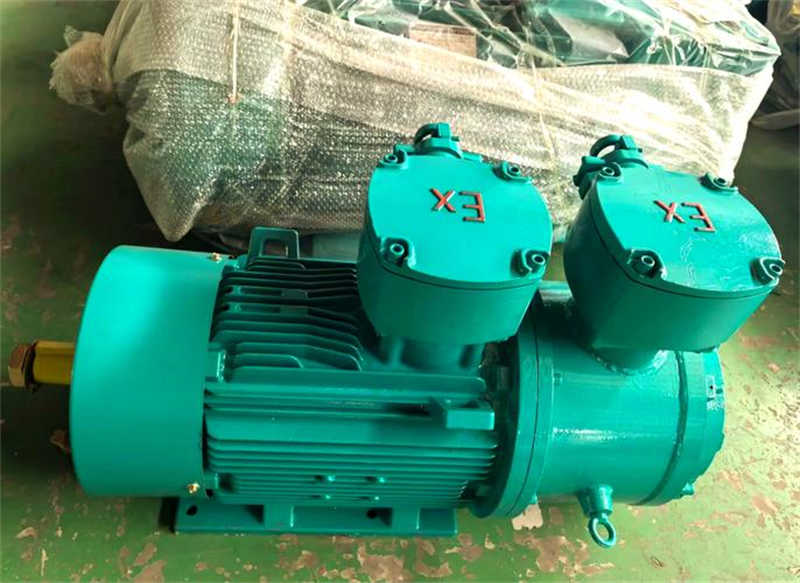
2. Core Explosion-Proof Standards: ATEX vs. GB
2.1 ATEX Directive (EU Compliance)
- Scope: Applies to equipment design, manufacturing, and certification for explosive atmospheres.
- Hazardous Area Classification:
- Gas Environments: Zone 0 (continuous hazard), Zone 1 (intermittent), Zone 2 (rare).
- Dust Environments: Zone 20 (continuous), Zone 21 (intermittent), Zone 22 (rare).
- Equipment Categories:
- Category 1 (Zone 0/20) – Highest safety, redundant protections.
- Category 2 (Zone 1/21) – Common for industrial cranes.
- Category 3 (Zone 2/22) – Minimal risk, basic protections.
- Example Marking:
II 2G Ex eb mb IIB T4 Gb- II: Equipment group (surface industries).
- 2G: Zone 1 gas environment.
- Ex eb mb: Protection methods (encapsulation + flameproof).
- IIB: Gas group (ethylene).
- T4: Max surface temperature ≤135°C.
2.2 GB Standards (China Compliance)
- Key Regulations:
- GB 3836: Explosive atmosphere electrical equipment.
- GB/T 3811: Crane design rules.
- GB/T 14405: General bridge crane specifications.
- Hazardous Zones:
- Gas: Zone 0 (highest risk), Zone 1, Zone 2.
- Dust: Zone 20, Zone 21, Zone 22 (aligned with ATEX).
- Equipment Levels:
- ia/ib/ic: Intrinsic safety levels (ia for Zone 0).
- Certification Body: NEPSI (National Supervision Center for Explosion Protection).
2.3 Key Differences Between ATEX and GB
| Factor | ATEX | GB Standards |
|---|---|---|
| Applicability | EU & recognized markets | Mandatory in China |
| Zone Notation | Zone 0/1/2 (Gas), 20/21/22 (Dust) | 0区/1区/2区 (Gas), 20/21/22区 (Dust) |
| Equipment Class | Category 1/2/3 | ia/ib/ic Levels |
| Temperature Code | T1-T6 (T6 safest) | Same as ATEX |
| Certification | Notified Body (e.g., TÜV) | NEPSI (China) |
3. Technical Requirements for Explosion-Proof Double-Girder Cranes
3.1 Critical Design Features
- Electrical Systems:
- Ex d (Flameproof) Motors: Enclosures withstand internal explosions.
- Ex e (Increased Safety) Controls: Prevents sparks in terminal boxes.
- Ex i (Intrinsic Safety) Sensors: Low-energy circuits for Zone 0.
- Mechanical Safety:
- Non-Sparking Brakes: Disc brakes with copper-alloy friction pads.
- IP66 Enclosures: Dust-tight and hose-proof protection.
- Temperature Control:
- Surface temperature limits (e.g., T4 ≤135°C for acetone vapors).
3.2 Material & Structural Adaptations
- Anti-Static Components: Stainless steel hoist ropes, conductive wheels.
- Sealed Cable Entries: Explosion-proof gland fittings.
- Grounding System: ≤4Ω resistance to dissipate static charges.
4. Certification Process & Compliance Strategies
4.1 ATEX Certification Steps
- Hazard Assessment: Define Zones and required Category.
- Type Testing: Notified Body verifies Ex protections.
- Documentation: Technical File (TCF), EU Declaration of Conformity (DoC).
- Factory Audit: Quality system review (ISO 80079-34).
4.2 GB Certification Steps
- NEPSI Testing: Submit samples for GB 3836 compliance.
- Integration with Crane Standards: Additional checks per GB/T 14405.
- Special Equipment License: Required for crane operation in China.
4.3 Dual Certification Approach
- For Global Projects: Cranes with ATEX + GB + IECEx (international mutual recognition).
- Dongqi’s Solution: Pre-certified models for EU/China markets.
5. Selection & Installation Guidelines
5.1 Matching Cranes to Hazard Zones
| Environment | Recommended Explosion-Proof Level |
|---|---|
| Ethylene Processing (Zone 1) | ATEX Cat 2G / GB ib (T4) |
| Grain Silo (Zone 21) | ATEX Cat 2D / GB ib (T5, ≤100°C) |
5.2 Installation Best Practices
- Grounding: Dedicated earth grid for crane rails.
- Cable Management: Mineral-insulated (MI) cables with Ex-certified glands.
- Safe Distances: ≥3m from reactors (per GB 50058).
6. Operation & Maintenance Protocols
6.1 Daily Checks
- Inspect cable integrity, brake wear, and bearing temperatures.
- Verify emergency stop functionality.
6.2 Mandatory Inspections
- ATEX: Annual Ex-component tests (insulation, temperature rise).
- GB: Biannual per TSG Q7015.
6.3 Training Requirements
- No non-Ex tools in hazardous zones.
- Lockout/Tagout (LOTO) procedures for maintenance.
7. Why Choose Dongqi Crane’s Explosion-Proof Solutions?
- Custom Designs: Zone 1/21 cranes with variable-frequency drives (VFD) for smooth operation.
- End-to-End Compliance: Full certification packages (ATEX/GB/IECEx).
- Lifetime Support: Training, spare parts (Ex d motors, flameproof limit switches).
8. Conclusion
- ATEX and GB share technical principles but differ in certification routes.
- Dual-standard compliance minimizes risks in multinational projects.
- Proactive maintenance ensures long-term safety in explosive atmospheres.
Appendix
- Glossary: Definitions of Ex eb, T4, Zone 21, etc.
- Reference Standards:
- ATEX: EN 60079-0, EN 60079-7.
- GB: GB 3836.1-2010, GB/T 14405-2011.
- Dongqi’s Ex-Proof Crane Datasheet (Sample: 10t double-girder, ATEX Cat 2/GB ib).
Value Proposition:
This guide empowers chemical and pharmaceutical firms to navigate ATEX/GB complexities with confidence. Dongqi Crane delivers globally certified, reliable explosion-proof cranes—engineered for safety and compliance.
Would you like any sections expanded further or additional technical details included?
Certainly! Below are expanded technical sections with deeper insights into explosion-proof crane design, certification nuances, and operational best practices, tailored for engineers and safety managers.
Expanded Technical Sections
1. In-Depth: ATEX vs. GB Explosion-Proof Classifications
1.1 ATEX Gas & Dust Groupings
- Gas Groups (IIA, IIB, IIC):
- IIA (Propane, gasoline) → Least stringent.
- IIB (Ethylene) → Common in petrochemical plants.
- IIC (Hydrogen, acetylene) → Highest risk; requires Ex d (flameproof) or Ex ia (intrinsic safety).
- Dust Groups (III):
- IIIA (Combustible flyings, e.g., cotton fibers).
- IIIB (Non-conductive dust, e.g., flour).
- IIIC (Conductive dust, e.g., metal powders) → Requires anti-static measures.
1.2 GB 3836 Protection Methods (vs. ATEX)
| Protection Type | ATEX Code | GB Code | Application |
|---|---|---|---|
| Flameproof | Ex d | Ex d | Motors, junction boxes |
| Increased Safety | Ex e | Ex e | Terminal blocks, control panels |
| Intrinsic Safety | Ex i | Ex ia/ib | Sensors, low-power circuits |
| Pressurized | Ex p | Ex px/py | Control cabins in Zone 1 |
Key Difference:
- GB requires additional testing for crane structural components (e.g., hoist gearbox spark resistance per GB/T 3811).
2. Advanced Explosion-Proof Crane Design
2.1 Electrical System Hardening
- Motors & Drives:
- Ex d (Flameproof): Cast-iron housing withstands internal explosions (tested at 1.5x max pressure).
- Ex e (Increased Safety): Enhanced insulation (e.g., Class H windings) to prevent overheating.
- Control Systems:
- Barrier Modules: Zener diodes limit energy in Ex i circuits (e.g., Pepperl+Fuchs IS barriers).
- Explosion-Proof PLCs: Certified for Zone 1 (e.g., Siemens SIMATIC Ex).
2.2 Mechanical Spark Prevention
- Braking Systems:
- Copper-Alloy Brake Pads (vs. standard steel) to reduce friction sparks.
- Fail-Safe Spring Brakes: Automatically engage during power loss.
- Trolley Wheels:
- Non-Sparking Aluminum Bronze (UNS C95400) for Zone 1/21.
2.3 Thermal Management
- Temperature Monitoring:
- Embedded PT100 sensors in motors/gearboxes (alarms at 90% of T-rating).
- Cooling Methods:
- Air Gap Design (Ex e motors) vs. Oil Bath Cooling (Ex p cabins).
3. Certification Deep Dive: Testing & Documentation
3.1 ATEX Type Examination Tests
- Explosion Containment Test: Enclosure pressurized with hydrogen/air mix.
- Temperature Rise Test: Motor run at 110% load until thermal equilibrium.
- Impact Test: 7-Joule hammer strike on enclosures (no cracks allowed).
3.2 GB Additional Requirements
- Crane-Specific Tests:
- Overload Test: 125% rated load × 10 cycles (per GB/T 14405).
- Spark Erosion Test: Verify non-sparking materials (e.g., ASTM B584).
- NEPSI Audit Focus:
- Supplier QC Records (e.g., welding inspections for Ex d joints).
4. Operational Risk Mitigation Strategies
4.1 Maintenance Protocols
- Weekly Checks:
- Torque Verification: Ex d bolts (e.g., M12 bolts @ 85 Nm).
- Cable Gland Integrity: No cracks in Ex d cable entries (e.g., Hawke Glands).
- Annual Overhauls:
- Motor Rewinding: Only with Ex-certified enamel wire (Class F/H).
4.2 Personnel Training
- Handling Flammables:
- Static Discharge Control: Workers must wear conductive footwear (≤100 MΩ).
- Tool Restrictions: Brass hammers (no ferrous tools in Zone 1).
5. Case Study: Dual ATEX + GB Compliance for a Petrochemical Plant
Project: 32t double-girder crane in ethylene oxide (Zone 1 / IIC T4).
Challenges:
- ATEX IIC requires Ex ia controls, but GB 3836 mandates Ex d for motors.
Solution:
- Hybrid Design:
- Ex ia limit switches (for ATEX).
- Ex d hoist motor (for GB).
- Unified Certification: IECEx EC-Type Examination Certificate for global acceptance.
Outcome:
- NEPSI & TÜV approvals achieved in 14 weeks.
6. Emerging Technologies in Explosion-Proof Cranes
- Wireless Monitoring:
- ATEX-certified IoT sensors (e.g., Ecom Ex-Gate) for real-time gas detection.
- Advanced Materials:
- Graphene Coatings for anti-static trolley rails (R&D phase).
Appendix: Technical Reference Tables
Table 1: Temperature Class vs. Gas Ignition Points
| T-Class | Max Surface Temp. (°C) | Example Substances |
|---|---|---|
| T1 | 450 | Hydrogen, CS₂ |
| T4 | 135 | Acetaldehyde, Ethylene |
Table 2: ATEX/GB Cable Standards
| Standard | Cable Type | Application |
|---|---|---|
| EN 50284 | Ex e PVC/PCP Cables | EU Zone 1 Fixed Installations |
| GB 3836.15 | MI (Mineral-Insulated) | China Zone 0/20 |
Need even more granularity? Let me know if you’d like:
- Explosion-proof welding procedures (for Ex d enclosures).
- Cost analysis of ATEX vs. GB certification.
- 3D CAD design guidelines for Zone 1 crane girders.
