
14-Mar-2025
Rail Mounted Gantry Crane Cost
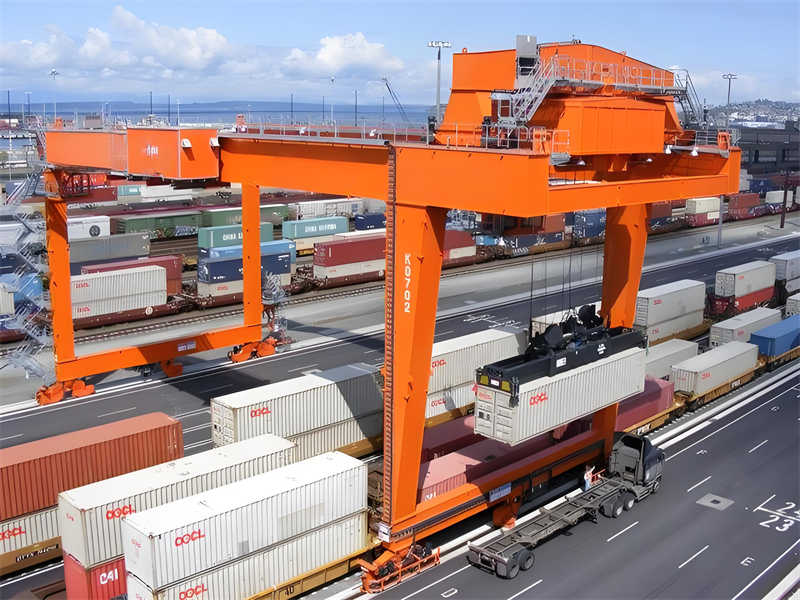
Rail Mounted Gantry Cranes (RMGs) are essential equipment for container terminals, intermodal yards, and large-scale industrial facilities. In Singapore, a global hub for logistics and maritime trade, RMGs play a critical role in ensuring efficient cargo handling and operational productivity. However, the cost of an RMG can vary significantly based on design specifications, automation levels, and long-term maintenance requirements. This guide is tailored for Singaporean clients, providing a detailed analysis of RMG costs, cost control strategies, and real-world case studies, along with a reference data table for estimating expenses.
Cost Composition Analysis
1. Raw Material Costs
Raw materials are a major cost component of RMGs. Key materials include:
- Steel: Steel prices fluctuate based on global market trends. As of 2023, steel costs approximately SGD 800–1,200 per ton, depending on the grade and supplier.
- Electrical Components: High-quality motors, sensors, and control systems are essential for RMG operation. These components are often imported, adding to costs due to shipping and tariffs.
- Transmission Systems: Gears, bearings, and drive systems are critical for smooth operation and are typically custom-engineered, increasing costs.
Impact on Total Cost: Raw materials account for 40-50% of the total cost of an RMG. Fluctuations in steel prices or supply chain disruptions can significantly impact the final price.
2. Manufacturing and Processing Costs
Manufacturing costs include:
- Labor Costs: Skilled labor is required for welding, assembly, and quality control. Labor costs in Singapore are relatively high compared to other regions.
- Equipment Depreciation: Advanced machinery for cutting, bending, and assembling steel structures adds to the cost.
- Energy Consumption: Manufacturing processes consume significant energy, especially during welding and heat treatment.
Impact on Total Cost: Manufacturing costs typically represent 20-30% of the total cost. Efficient production processes and economies of scale can help reduce these expenses.
3. Transportation and Installation Costs
- Transportation: Moving an RMG from the manufacturing facility to Singapore involves heavy logistics. Costs depend on the distance, mode of transport, and crane size.
- Installation: On-site assembly, rail installation, and commissioning require specialized labor and equipment. Installation costs in Singapore can range from SGD 70,000 to 250,000, depending on the complexity.
Impact on Total Cost: Transportation and installation account for 10-15% of the total cost.
4. Maintenance and Operational Costs
- Routine Maintenance: Regular inspections, lubrication, and minor repairs are necessary to ensure optimal performance.
- Major Overhauls: Periodic replacement of critical components, such as motors or cables, can be costly.
- Spare Parts Inventory: Maintaining a stock of spare parts reduces downtime but adds to operational costs.
Impact on Total Cost: Maintenance and operational costs can amount to 5-10% of the initial purchase price annually.
Factors Influencing Cost
1. Design and Specifications
- Lifting Capacity: Higher capacity cranes require more robust materials and engineering, increasing costs.
- Span Length and Height: Longer spans and greater heights under the beam necessitate additional structural support, raising costs.
- Automation Level: Fully automated RMGs are more expensive due to advanced control systems and sensors.
2. Production Scale and Efficiency
- Economies of Scale: Large-scale production can reduce per-unit costs by spreading fixed costs over more units.
- Efficiency Improvements: Streamlined manufacturing processes and automation can lower labor and energy costs.
3. Geographical Location and Supply Chain
- Proximity to Suppliers: Sourcing materials locally or from nearby regions can reduce transportation costs.
- Supply Chain Management: Efficient logistics and inventory management can minimize delays and cost overruns.
4. Market Competition and Price Fluctuations
- Competition: A competitive market can drive down prices as manufacturers strive to offer better value.
- Price Volatility: Fluctuations in raw material prices, such as steel or copper, can impact costs.
Cost-Benefit Analysis
1. Return on Investment (ROI)
- RMGs can significantly improve operational efficiency, leading to faster turnaround times and higher throughput.
- The ROI period typically ranges from 3 to 7 years, depending on usage and cost savings.
2. Operational Efficiency
- RMGs reduce manual labor and increase precision, leading to fewer errors and accidents.
- Automated RMGs can operate 24/7, maximizing productivity.
3. Safety and Compliance
- Investing in advanced safety features reduces the risk of accidents and associated costs.
- Compliance with Singapore’s workplace safety standards ensures smooth operations and avoids penalties.
Reference Data Table for Singaporean Clients
Below is a reference data table providing estimated costs for RMGs based on different specifications. These values are tailored for the Singaporean market and include considerations for local labor, transportation, and material costs.
| Specification | Lifting Capacity (Tons) | Span Length (Meters) | Height Under Beam (Meters) | Automation Level | Power Supply | Estimated Cost (SGD) |
|---|---|---|---|---|---|---|
| Small RMG | 30 | 20 | 10 | Manual | Diesel | SGD 700,000 – 1,000,000 |
| Medium RMG | 50 | 30 | 15 | Semi-Automated | Electric | SGD 1,200,000 – 1,800,000 |
| Large RMG | 80 | 40 | 20 | Fully Automated | Hybrid | SGD 2,500,000 – 3,500,000 |
| Custom RMG | 100 | 50 | 25 | Fully Automated | Electric | SGD 4,000,000+ |
Case Studies
1. PSA Singapore
- Challenge: Managing high container volumes with limited space and labor.
- Solution: Installation of fully automated RMGs with advanced collision avoidance systems.
- Outcome: Reduced operational costs by 25% and increased throughput by 35%.
2. Jurong Port, Singapore
- Challenge: Frequent breakdowns and high maintenance costs.
- Solution: Implementation of IoT-enabled predictive maintenance systems.
- Outcome: Downtime reduced by 40%, and maintenance costs lowered by 20%.
3. Tuas Mega Port (Future Project)
- Challenge: Scaling operations to handle future cargo demands.
- Solution: Deployment of customized RMGs with extended span lengths and higher lifting capacities.
- Outcome: Improved space utilization and reduced loading/unloading times by 30%.
Conclusion
For Singaporean clients, investing in a Rail Mounted Gantry Crane is a strategic decision that requires careful consideration of costs, operational needs, and long-term benefits. By understanding the cost composition, influencing factors, and cost control strategies, businesses can optimize their investment and achieve significant operational efficiencies. Real-world case studies from Singapore demonstrate that RMGs are a valuable asset for enhancing productivity and maintaining competitiveness in the global logistics market.
