
27-Apr-2026
The Continental Price Puzzle: Why Bridge and Gantry Cranes of the Same Tonnage Cost 40% Less in Africa Than in Europe
Executive Summary
You are a procurement manager sitting with two quotations in front of you — both for a 20-ton double-girder bridge crane from the same Chinese manufacturer. The crane destined for Germany is priced at €94,000. The one bound for Nigeria: $56,000 FOB. Same lifting capacity. Same basic structural footprint. Yet there is a 40% price gap between the two bids, and you want to know why.
The short answer is that you are not comparing the same crane. You are comparing two fundamentally different machines, each engineered for a specific regulatory universe, operating environment, and lifecycle expectation. The price tag on a bridge or gantry crane is not a single variable — it is the sum of dozens of technical and administrative decisions that cascade from the moment a customer specifies their target market: which design standard to apply, what documentation regime to satisfy, what materials to select for local temperature and humidity extremes, which certifications to pursue, what duty cycle to design for, and what after-sales infrastructure to provision.
This article, written by the engineering team at Dongqi Crane — a Sino-foreign joint venture headquartered in Changyuan, Henan Province, China’s recognized “Cradleland of Cranes” — dissects the price-gap puzzle layer by layer. With manufacturing operations across 240,000 square meters of production floor and verified project deliveries in over 80 countries, Dongqi Crane occupies a privileged position from which to observe how the same Chinese factory produces crane systems that range in price by 30% to 60% purely because of the destination market. We invite you to understand not just that prices differ by continent, but why — and, more importantly, what those differences mean for the long-term economics of your investment.
1. The Observable Price Gap: What Our Quotation Data Shows
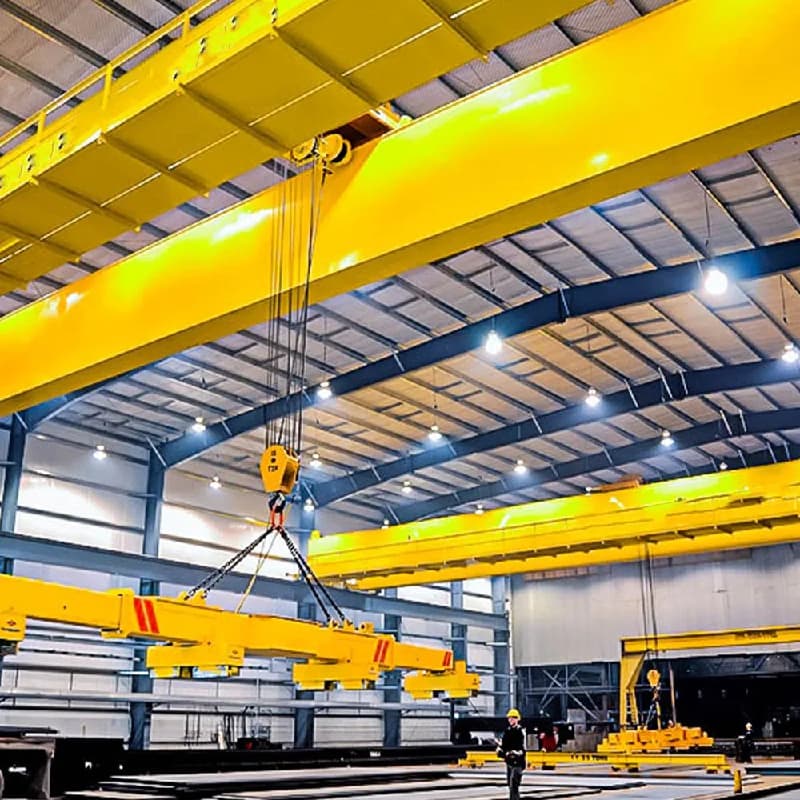
Let us begin by placing the phenomenon in concrete terms. Based on Dongqi Crane’s internal quotation database for the twelve months ending Q1 2026, a standard 10-ton single-girder overhead bridge crane with a span of 18 meters and a lift height of 6 meters — the most commonly sold configuration in global light manufacturing — exhibits the following regional price bands for a complete system including hoist, trolley, bridge structure, electrification, and control panel (all prices in USD FOB China):
| Region | Price Band (USD) | Relative Index |
|---|---|---|
| Sub-Saharan Africa | $18,500–$24,500 | 100 (Baseline) |
| South Asia | $20,500–$27,000 | 110 |
| Latin America | $24,000–$32,000 | 127 |
| Southeast Asia | $24,500–$31,000 | 129 |
| GCC / Middle East | $27,000–$36,000 | 146 |
| North America | $31,500–$42,500 | 162 |
| Western Europe | $36,000–$48,000 | 176 |
What specific factors account for this 1.76x spread between the least- and most-expensive versions of what appears — on a specification sheet — to be the same machine? The answer lies in six cost layers that every procurement professional must understand before making a cross-border crane purchase.
2. Layer One: Design Standards — CMAA, FEM, EN, and the Engineering Cost Cascade
The single largest structural driver of crane pricing is the design standard to which the equipment must be engineered. While a crane’s nominal lifting capacity is expressed identically in tonnes across all markets, the standard chosen to govern its design determines everything from the safety factors applied to structural calculations to the documentation and testing protocols required before shipment. The three dominant international standards — CMAA (North America), FEM (Europe), and EN 13001 (mandatory in the EU) — differ fundamentally in their engineering philosophies.
CMAA and Its Cost-Effective Philosophy. CMAA (Crane Manufacturers Association of America) Specification 70 classifies cranes from Class A (standby or infrequent service) through Class F (continuous severe service) based on load cycles and operating conditions. The CMAA approach is empirical and rooted in North American factory experience: it prioritizes strength and durability through conservative structural design, with an emphasis on typical manufacturing usage patterns. For standard factory applications in markets like Africa and South Asia, where CMAA-based designs predominate, the simpler calculation methodology and streamlined documentation requirements make CMAA-compliant cranes inherently more cost-effective — often 8–15% less expensive than FEM-equivalent designs for the same nominal tonnage.
FEM, EN 13001, and the Mathematical Precision Premium. The European approach — governed by FEM 1.001 and EN 13001 — takes a fundamentally different route. FEM classifications range from M1 (very light, <200 hours of use annually) to M8 (super-heavy, continuous duty), and the classification is based not on a single operational descriptor but on a mathematical product of the total working period and a calculated load spectrum factor. This two-dimensional analysis captures both the frequency and severity of loading — a 20-tonne crane that lifts 20 tonnes twice per shift receives fundamentally different design treatment from one that lifts 18–22 tonnes continuously, 800 times per shift.
Why does this matter for pricing? Because the European methodology demands a far more rigorous documentation package — full fatigue life calculations, finite element analysis (FEA) reports, EN 13001-specific verification declarations — and these are often subject to third-party review by Notified Bodies. The engineering hours alone for a European-standard crane can be 30–50% higher than for a generic CMAA design. For a 32-tonne double-girder bridge crane, the difference in engineering cost attributable to the standard alone frequently exceeds $7,000, representing pure intellectual and computational investment rather than additional steel or motor capacity.
A Critical Misconception About Standards. Many procurement teams assume that selecting a lower-standard crane for a high-utilization application saves money. The opposite is true. A crane designed to CMAA Class C that is asked to perform M6-level work will experience fatigue cracking in its main girders within a fraction of its intended service life, potentially requiring replacement within three to five years rather than twenty. At Dongqi Crane, we engineer bridge and gantry cranes to all three internationally recognized systems — CMAA, FEM, and EN 13001 — and our experience is that the standard chosen must match the duty cycle reality, not the budget aspiration.
Perhaps the most actionable insight for procurement managers is that even within the same standard, the working duty classification produces major price differentials even when lifting capacity remains constant: an M5-rated 10-tonne gantry crane is typically 25–35% more expensive than its M3-rated counterpart of identical capacity, due to the need for reinforced structural members, larger gearboxes, higher-quality motors, and more robust bearings designed for sustained cyclic loading rather than intermittent use. This means that two 10-tonne cranes — one for a Nigerian warehouse operating two shifts per week and one for a German automotive plant running three continuous shifts — are, in engineering terms, different machines wearing identical capacity ratings on their nameplates.
Dongqi Crane’s Standards Expertise. Our manufacturing programs have been certified under CE (Certificate No. 240901/C02), and our quality management system is assessed against ISO 9001 (Certificate No. 240901018). These are not marketing badges — they represent auditable commitments to design processes that span standard selection, calculation methodology, and documentation integrity. When a European client requires a crane bearing the CE mark and accompanied by a technical file compliant with Machinery Directive 2006/42/EC, our engineering team proceeds through a gated design process that includes EN 13001 structural verification, which can add 12–15% to the project’s engineering cost before a single steel plate is cut.
3. Layer Two: Working Duty Classification — The Hidden Specification That Doubles Your Cost
In nearly two decades of engaging with international crane buyers, Dongqi Crane’s sales engineers have observed one consistent pattern: first-time crane purchasers, and many experienced procurement managers, fixate on lifting capacity while overlooking the specification that more directly governs price and service life — the working duty classification.
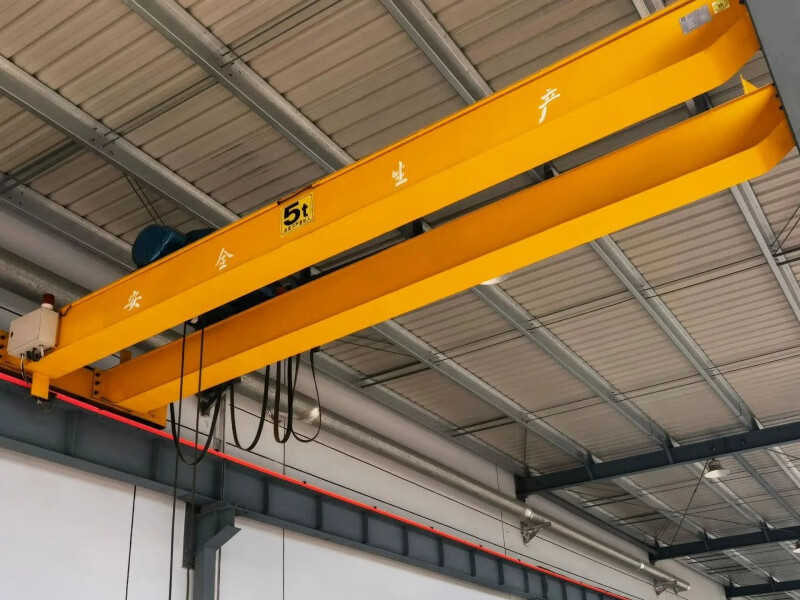
The Capacity Trap. A 20-tonne overhead crane can cost anywhere from $25,000 to $80,000 in 2026, even when the lifting capacity, span, and lift height are identical across all quotations. The variable that drives this range is not fraudulent pricing — it is working duty. Duty class dictates:
- The design lifetime of the structure in terms of load cycles — an M3 crane might be engineered for 200,000 cycles over its service life, while an M7 crane requires 2,000,000 cycles;
- The fatigue resistance of welded connections, requiring full-penetration welds with 100% ultrasonic testing for higher classes;
- The selection of mechanical components — an M3 hoist may use a standard-duty rope drum machined from mild steel, while an M7 unit requires a hardened, ground drum with replaceable rope grooves;
- The thermal rating of motors, with high-duty-cycle cranes demanding inverter-duty motors rated for continuous operation at full torque across the speed range, which typically add 30–50% to motor cost.
Quantifying the Duty-Class Premium. Our engineering cost models for a 10-tonne single-girder overhead crane reveal clear step increases between duty classes. When the only variable changed is the working duty specification, the structural steel weight increases 15–20% between an M3 and M5 design due to thicker web plates and additional stiffeners required for fatigue resistance. The mechanical drivetrain cost increases approximately 30% between M3 and M6 due to upgraded gearboxes, larger-diameter drums, and higher-rated brakes, with the hoist motor typically upsized by one frame size to manage thermal dissipation. The cumulative structural, mechanical, electrical, and documentation cost premium typically ranges from 25% to 50% between a lightweight low-duty design and a fully fatigue-rated high-duty design for the same lifting capacity, span, and lift height.
The practical implication for intercontinental procurement is straightforward: a 10-tonne crane quoted at $18,500 for a West African warehouse (M3 service, two shifts per week) and a 10-tonne crane quoted at $44,000 for a German automotive facility (M6 service, three shifts daily, 48 weeks per year) are both priced correctly — the price difference reflects the engineering reality that the European machine must absorb 8 to 10 times the cumulative fatigue loading over its design life.
4. Layer Three: Certification Regimes — The Administrative Price of Market Access
Beyond the engineering standards that govern design, each major economic region imposes its own certification and conformity assessment regime — and the cost differences between these regimes are among the most significant drivers of intercontinental price variation.
Europe: The CE Marking Framework. Placing a bridge or gantry crane on the European market requires CE marking under the Machinery Directive 2006/42/EC, supported by EN 13001 structural calculations. For higher-risk crane configurations — particularly those handling molten metal, operating in potentially explosive atmospheres, or involving automated control functions — a Notified Body must review the technical file and conduct factory inspections. The cost of preparing a complete CE technical file, including risk assessments, structural calculations, electrical safety documentation, and user instructions in the required EU languages, typically adds $5,000–$15,000 to the price of a mid-range overhead crane, depending on complexity. In 2026, higher-risk product categories saw conformity assessment requirements further tighten, leading to moderate price increases of 5–10% for related engineering services as testing protocols were expanded to cover additional failure modes and safety-critical parameters. For standard mechanical equipment categories, CE service costs remained relatively stable through the first half of 2026.
North America: CMAA, OSHA, and the Regulatory Framework. The U.S. market operates under a different compliance philosophy. Rather than a government-mandated conformity mark, crane safety is enforced through OSHA regulations (29 CFR 1910.179 for overhead and gantry cranes) that reference CMAA standards. While there is no single certification fee to enter the U.S. market, compliance requires manufacturers to ensure design conformance with CMAA, electrical compliance with NEC/NFPA 70 and UL/CSA certification, and structural design capable of withstanding local seismic requirements in states like California. A full UL/CSA certification program for crane control panels alone can cost $8,000–$20,000, depending on the complexity of the drive and control architecture. These costs are embedded in the higher pricing for North American-bound equipment, with a typical compliance premium of approximately 15–25% over a baseline crane designed for less regulated markets.
Explosion-Proof Certification: A Special Case. Where the certification cost gap becomes extreme is in hazardous-area applications. A single ATEX or IECEx certification for an explosion-proof overhead crane — which requires component-level compliance verification across motors, brakes, control panels, limit switches, and cable glands — represents a significant investment. Chinese domestic (CNEX) certification for a complete explosion-proof hoist and trolley system may cost ¥30,000–¥80,000 (approximately $4,100–$11,000). International ATEX or IECEx certification for the same system — requiring on-site factory audits, international standard gap testing, and Notified Body review — can significantly exceed this range in RMB terms, not infrequently reaching ¥100,000 to several hundred thousand renminbi and beyond. These costs are intrinsically higher because ATEX and IECEx certifications are system-level rather than component-level; as an industry analysis notes, “dual-certified cranes are rare and generally offered by specialized suppliers with extensive system-level expertise,” making them a premium product category with corresponding pricing. For a 20-tonne explosion-proof bridge crane destined for a European petrochemical plant, the ATEX certification premium alone can represent 8–15% of the total equipment cost — entirely absent from the price of an otherwise similar crane shipped to a non-hazardous application in Africa.
Africa and South Asia: The Regulatory Baseline. By contrast, many Sub-Saharan African and South Asian markets impose fewer mandatory product certifications, resulting in a substantially thinner compliance cost layer (typically 1–5% of equipment cost) covering at minimum a Certificate of Origin and a Certificate of Conformity (CoC) that confirms compliance with basic safety parameters. South Africa represents a notable exception — its NRCS (National Regulator for Compulsory Specifications) system requires mandatory certification for imported machinery including lifting equipment, which must undergo testing at NRCS-recognized laboratories to verify compliance with relevant South African national standards for safety, performance, and energy efficiency. Tanzania requires PVOC/COC certification compliant with TBS (Tanzania Bureau of Standards) regulations for all imported machinery, without which customs clearance cannot be completed. Nigeria, Ghana, and Kenya remain at the certification-light end of the spectrum, although their regulatory frameworks are evolving rapidly as domestic industrial safety awareness increases. The $8,000–$15,000 in certification and documentation costs embedded in a European-bound crane simply does not exist in the African quotation — and this alone accounts for a substantial portion of the 40% headline price difference.
Quality System Certification. Beyond product-specific certifications, manufacturers’ quality management credentials also influence pricing. At Dongqi Crane, we hold ISO 9001 certification (Certificate No. 240901018) for our quality management system and CE certification (Certificate No. 240901/C02) for our manufacturing programs. These institutional certifications require ongoing investment in quality infrastructure, employee training, and external surveillance audits — costs that are spread across every crane we produce and contribute to a baseline level of quality assurance that clients in all markets benefit from, regardless of the specific product certifications required for their region.
5. Layer Four: Environmental Engineering — When Climate Determines Configuration
A crane’s operating environment can be as determinative of its cost as its lifting capacity — and the extreme environmental diversity across continents is a major source of price variation for the same nominal machine.
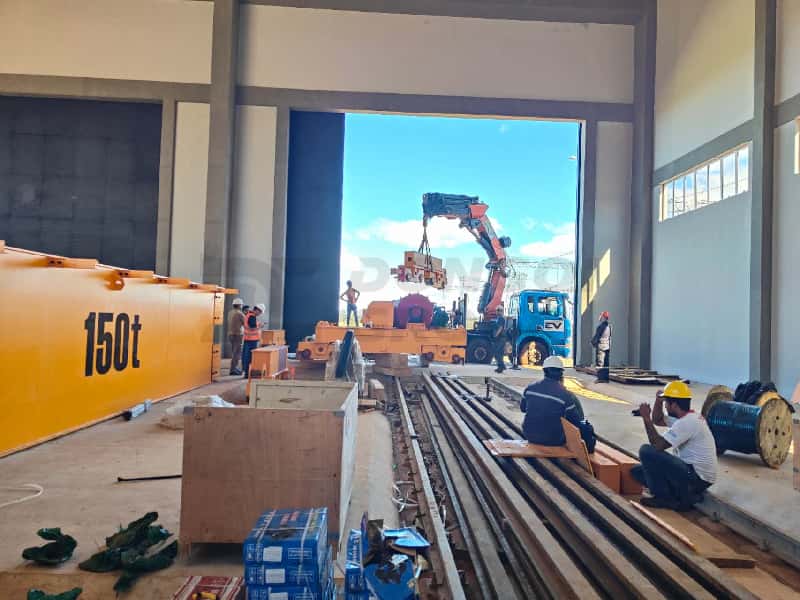
Tropical Corrosion Protection. Cranes destined for the Gulf of Guinea coastline — Nigeria, Ghana, Côte d’Ivoire — or for Southeast Asian ports will face year-round humidity exceeding 85%, frequent salt-laden air, and sustained ambient temperatures above 35°C. In these conditions, a standard painted finish with a C2 corrosion classification will fail within three to five years. Engineers must instead specify a corrosion protection system of a higher grade (C4 or C5 per ISO 12944), employing surface preparation to Sa 2.5 blast standard, multi-layer epoxy primer and polyurethane topcoats, stainless steel fasteners and cleats throughout, and sealed electrical enclosures rated IP65 or higher. The corrosion protection upgrade for a 32-tonne gantry crane operating in a tropical port environment can account for 20–40% of the base crane price, with materials and application processes directly impacting the equipment budget.
Arctic and Sub-Zero Engineering. At the other end of the thermal spectrum, a crane destined for a Russian mining operation in Siberia or a Canadian oil-sands facility faces ambient temperatures potentially dropping below -40°C. In this range, standard carbon steel — as specified in ASTM A36 or Q235B — undergoes a ductile-to-brittle transition that makes welded connections susceptible to catastrophic fracture. Engineers must instead select low-temperature-rated structural steel (Q345D or Q345E per GB/T 1591, equivalent to EN 10025 S355J2 or S355K2), with Charpy V-notch impact testing performed and documented at the design minimum temperature, typically -40°C. Electrical systems must be specified with winterized lubricants in gearboxes, low-temperature cables with silicone-based insulation, and heated control panels maintaining internal temperatures above freezing. The material and component premium for a -40°C-rated bridge crane is typically 18–25% over a standard temperate-climate design.
Desert and High-Temperature Operation. For Middle Eastern and North African markets, the design challenge inverts: ambient temperatures in Saudi Arabia’s NEOM region or the UAE’s industrial zones regularly exceed 50°C at ground level and reach beyond 70°C on unshaded steel surfaces. Under these conditions, standard Class F insulation motors — rated for a 40°C ambient with a 105K temperature rise — will thermally overload. The specification must shift to Class H insulation systems rated for 180°C hot-spot temperatures, often with forced ventilation, and control panels must be equipped with active cooling. Hydraulic systems, if present, require high-temperature seals and synthetic fluids. Sealed bearings with high-temperature grease are mandatory. The desert-duty premium for a crane destined for a Saudi construction yard is 12–18% above a temperate-climate baseline for the same capacity machine.
Seismic Design Requirements. Regions with high seismic activity — Japan, Chile, New Zealand, Turkey, California — impose additional structural requirements on crane design. Runway beams must be engineered to remain engaged with their support during seismic events, crane structures must be analyzed for lateral acceleration forces specified in local building codes, and control systems may require seismic sensors that trigger safe-stop procedures when ground motion is detected. These requirements add 8–15% to the structural engineering and fabrication cost, entirely absent from cranes destined for seismically stable regions in Africa.
At Dongqi Crane, we maintain a matrix of standard environmental packages that pre-engineer these adaptations for common destination regions, building on our experience with projects ranging from UAE installations with high-temperature exposure to European facilities with CE documentation requirements and North American applications. When a procurement manager compares an African quotation to a European one, the difference in environmental engineering costs alone frequently accounts for 15–25% of the observed price gap — and this represents genuine value delivered, not margin inflation.
6. Layer Five: Tariffs, Trade Agreements, and the Embedded Cost of Border Crossings
The global trade architecture for heavy machinery adds another substantial variable to crane pricing across continents. While these costs are often itemized separately from the equipment price, many suppliers embed them into landed-cost calculations, and they strongly influence the final price seen by the procurement manager.
Import Duty Structures. HS Code 8426.11 (overhead traveling cranes on fixed support) and 8426.19 (other bridge and gantry cranes) attract markedly different tariff treatment across trading blocs. The Most-Favored-Nation (MFN) tariff rate for general-purpose bridge cranes entering many markets is approximately 8% under standard WTO schedules, but this is only the starting point. Preferential rates under free trade agreements can reduce this substantially — to as low as 0% for ASEAN-origin cranes entering fellow ASEAN member states — while general tariff rates for countries without MFN status can reach 30%. South Africa, notably, applies a 0% tariff preference on overhead traveling cranes and related equipment under its trade agreement framework, making it a more cost-competitive destination for crane imports.
Tariff Escalation in 2026. The global trade environment has become more complex in 2026, with new and proposed tariffs on heavy machinery, steel products, and manufactured equipment directly affecting crane pricing in the most affected corridors. A 10–20% tariff on an overhead crane — representing potentially $3,500 to $12,000 on a typical single-girder unit — can decisively shift the economics of a quotation, and in some bilateral relationships, tariff rates on steel-intensive manufactured goods have risen beyond this range. Chinese crane manufacturers have responded to these headwinds through several strategies: more efficient manufacturing processes that absorb part of the tariff cost, diversified sourcing of components from tariff-exempt origins where feasible, and in some cases, strategic inventory positioning in bonded warehouses to manage duty-timing exposure. At Dongqi Crane, our extensive experience supplying over 80 countries has allowed us to develop optimized logistics pathways that anticipate and minimize tariff exposure for clients in each target market — a knowledge advantage that translates directly into more competitive landed costs.
Free Trade Agreement Benefits. The EU-Mercosur agreement provisionally applied in early 2026 will phase out tariffs that currently range from 14% to 20% on machinery entering the Mercosur bloc, significantly improving the landed cost competitiveness of European-standard cranes for Brazilian and Argentine buyers. This means that in 2026, a European-standard crane manufactured in China may actually be more competitively priced in São Paulo than in Lagos — a counterintuitive inversion of the standard Africa-versus-Europe pricing model driven purely by trade policy.
Shipping and Logistics Economics. The physical cost of transporting a 20-tonne crane from Shanghai to Mombasa versus Shanghai to Rotterdam differs less than procurement managers might assume. The dominant cost determinant is not distance but port infrastructure at the destination. A crane delivered to a deep-water container terminal (Rotterdam, Tema, Durban) involves straightforward containerized or breakbulk shipping with standard handling charges. A crane delivered to a secondary West African port with draft restrictions and limited craneage may require transshipment via feeder vessel to a larger regional hub, specialized heavy-lift charter arrangements, and on-site mobile crane hire for unloading — all adding to the landed cost beyond what the geographic distance might imply.
Incoterms and Price Presentation. A significant factor in the perception of price difference lies in how quotations are constructed. An African buyer typically receives an FOB (Free On Board) China quotation, which excludes ocean freight, insurance, and destination charges. A European buyer more commonly negotiates on a CIF (Cost, Insurance, and Freight) basis, which embeds these costs in the equipment price shown on the quotation. Even when comparing equipment prices on a like-for-like FOB basis, however, the remaining structural differences — standards, certifications, environmental engineering, duty cycle — robustly explain the 30–60% gap observed in practice.
7. Layer Six: After-Sales Infrastructure — The Service Premium Embedded in Equipment Pricing
A less visible but economically significant cost layer is the after-sales infrastructure that crane manufacturers must provision differently for different markets. This cost is partially embedded in the equipment price and partially priced separately in service contracts, but it materially affects how manufacturers price their core equipment for different regions.
Spare Parts Inventory and Regional Warehousing. A crane sold into Germany benefits from an ecosystem where the manufacturer or its agent can dispatch a service engineer with necessary spare parts to any location within hours, supported by a European spare parts warehouse maintaining $2–3 million in dedicated crane inventory. The working capital cost of this inventory, the logistics infrastructure to maintain it, and the training investment for service personnel are substantial, and they are amortized across the equipment sold in the region. A crane sold into the Democratic Republic of Congo, by contrast, carries a much thinner service infrastructure layer — and a correspondingly lower embedded cost in the equipment price. The difference is not a discount for the African buyer but a reflection of a leaner support package that may translate into longer lead times for replacement parts if a failure occurs.
Installation and Commissioning. European and North American projects typically require the manufacturer to provide on-site supervision or turnkey installation by certified teams, with commissioning documented through load-test reports certifiable to local regulatory authorities. An African or South Asian installation may proceed under the general contractor’s supervision, with remote support from the manufacturer. The difference in embedded labor and travel cost can represent $3,000–$8,000 per crane — and this cost is reflected in the regional pricing.
Warranty Risk Pricing. The warranty liability exposure for a crane operating in a well-maintained European factory with trained operators and regular preventive maintenance is fundamentally different from that for a crane operating in a remote mining site with intermittent power supply and limited technical infrastructure. Manufacturers must price this risk differential into their quotations, either as an explicit warranty reserve or as a margin adjustment. The warranty-related cost reserve for a crane destined for a remote Sub-Saharan African site may be 50–100% higher per dollar of equipment value than for a European installation — and this informs the base pricing even before considering all the other cost layers discussed above.
Dongqi Crane’s Global Service Network. The strength of Dongqi Crane’s global positioning lies in the breadth of our project footprint and our accumulated institutional knowledge across diverse operating environments. With products operating in over 80 countries and project experience spanning Africa, the Middle East, Europe, Southeast Asia, and the Americas, our service teams have developed region-specific installation and support protocols that balance cost efficiency with technical reliability — enabling us to offer competitive equipment pricing in every market while maintaining appropriate levels of after-sales support for each client’s operational context.
8. A Second Hidden Price Driver: African Market Growth and Its Effect on Quotations
There is one further, often overlooked explanation for why African crane quotations can appear markedly lower than European ones: the market demand trajectory and competitive landscape in Africa is currently in a phase of rapid growth, producing a procurement environment that is fundamentally different from mature markets.
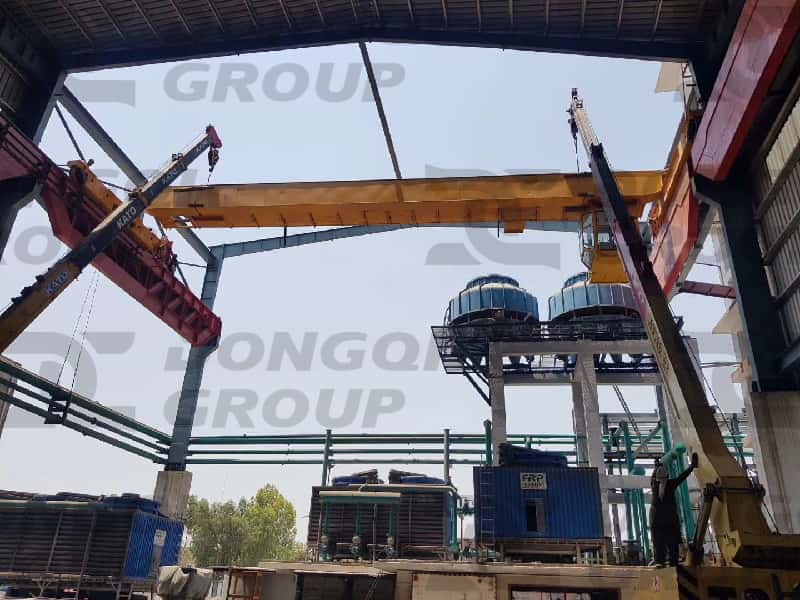
Nigeria offers the clearest illustration. According to Chinese Customs data, Nigerian imports of Chinese overhead cranes surged by over 200% from 2024 to 2025, reaching 266 units valued at $5.265 million — a growth rate that places Nigeria among the fastest-growing crane import markets globally. This is not isolated: across Sub-Saharan Africa, infrastructure development, mining expansion, and industrial capacity building are driving import volumes that make the region an increasingly significant part of the global crane market.
What are the pricing implications of this growth? When a market is in a rapid expansion phase — when factories are being built, ports are being developed, and mining operations are commissioning — manufacturers price competitively to establish market presence and brand recognition, knowing that today’s initial equipment order may become tomorrow’s expansion project or fleet replacement program. This strategic pricing overlay in high-growth markets typically contributes 3–8% additional price compression over and above the structural cost differences described in Sections 2–7, and it is entirely a function of market timing and competitive dynamics rather than any sacrifice in equipment quality.
This market-development effect is not permanent. As African industrial safety regulations converge toward international norms and as domestic technical capacity grows, the certification and environmental-protection layers that currently differentiate European from African quotations will progressively compress the price gap — a trend already visible in South Africa’s NRCS certification regime. The 40% gap observed in 2026 will likely narrow to 25–30% by 2031 as standards harmonization continues across the continent.
9. Connecting to Dongqi Crane: How We Bridge the Continental Price Gap
The continental price gap is not a problem to be eliminated — it is a rational market outcome of legitimate technical, regulatory, and service-based cost differences. At Dongqi Crane, our goal is to ensure that procurement managers on every continent receive a fully transparent understanding of what drives their quotation, enabling them to make informed value judgments rather than comparing numbers in isolation.
Traceable Standards Compliance. Every Dongqi Crane quotation specifies the design standard applied, the working duty classification, and the certification regime. For a European client, the quotation will reference EN 13001 structural verification, Machinery Directive 2006/42/EC compliance, and the applicable harmonized standards. For an African client, the quotation will identify the applicable Certificate of Conformity requirements, environmental protection specifications appropriate to tropical or coastal conditions, and the recommended maintenance protocol. Both clients receive the correct crane for their application — and the price difference reflects genuine differences in what was engineered and delivered.
Manufacturing Scale and Cost Efficiency. Operating one of China’s most advanced crane manufacturing facilities — with over 500 sets of production and testing machinery deployed across 240,000 square meters of factory floor in Changyuan, alongside our established export track record to over 80 countries — Dongqi Crane benefits from manufacturing scale and production experience that compress the baseline cost of every crane we produce, regardless of destination. Our commitment to quality is independent of the market into which the crane is sold. Multi-standard capability — the ability to engineer to CMAA, FEM, and EN standards within a single manufacturing facility — is not simply a sales advantage: it is an engineering discipline that ensures our design teams understand the design justification and safety logic behind each standard rather than treating them as interchangeable labels. This translates into pricing integrity: the European crane costs more because it genuinely embodies more engineering, more documentation, and more certified components than its African counterpart — not because of arbitrary regional markup.
Partnership Beyond the Purchase Order. Ultimately, crane procurement is a long-term partnership, not a single transaction. The crane that Dongqi Crane delivers today will require technical support, spare parts, and possibly upgrades over a service life of 15 to 30 years. The pricing structure we offer in every market takes this lifecycle relationship into account, balancing competitive upfront economics with sustainable long-term support capability — a balance that can only be achieved by a manufacturer with broad global reach and the ability to deploy support resources flexibly across regions.
10. Recommendations for Global Crane Buyers
For procurement managers evaluating bridge or gantry crane quotations in 2026, the price gap between continents is entirely legitimate — but potentially misleading if not properly contextualized. Our recommendations for navigating this complexity are:
- Request a specification breakdown, not just a price. Any supplier should be able to explain which design standard, which duty classification, which corrosion protection grade, which certifications, and which environmental adaptations are included in the quotation. If a supplier cannot provide this breakdown, their quotation should be treated as incomplete.
- Verify that the quotation matches the actual operational demand of your facility. A $56,000 crane that is engineered for light intermittent duty but installed in a three-shift manufacturing line will cost far more in repairs, downtime, and premature replacement than a properly specified $98,000 crane. The price gap is not a saving — it is a deferred cost that will compound.
- Request evidence of regional project experience. A supplier quoting for an African project should be able to reference completed installations in similar environments. At Dongqi Crane, we maintain a publicly accessible project database documenting deliveries across Africa, the Middle East, Europe, and the Americas — providing prospective clients with verifiable evidence of region-specific engineering competence.
- Ask about the full lifecycle cost, not just the purchase price. The acquisition cost represents only a fraction — typically 15–30% — of the total cost of ownership over a crane’s service life. Energy consumption, maintenance labor, spare parts availability, and downtime risk all contribute to the TCO, and these factors are influenced by the same design standards, environmental engineering choices, and certification requirements that drive the upfront price differences.
- Consider the trajectory of your market’s regulatory environment. African nations are progressively adopting more rigorous industrial safety regulations. A crane purchased today to minimal certification standards may require expensive retrofits to remain compliant within five to seven years. Forward-looking buyers should consider specifying a certification level that anticipates their market’s regulatory trajectory rather than its current minimum requirements.
Conclusion: The Continental Price Gap Is a Transparency Problem, Not a Fairness Problem
The 40% price difference between a crane sold in Africa and one sold in Europe is real, measurable, and entirely rational once the cost layers are disaggregated. It reflects genuine differences in engineering content, regulatory compliance, environmental adaptation, and support infrastructure — not arbitrary regional pricing strategies.
The real problem faced by global crane buyers is not the price gap itself but the opacity that often surrounds it. Too many suppliers present a headline price without explaining the specification decisions that produced it, leaving procurement managers to compare numbers that represent fundamentally different machines. At Dongqi Crane, we believe that a technically informed buyer makes better procurement decisions — and that transparency about the structural drivers of pricing is the best foundation for a long-term commercial relationship.
Whether your project is a light-manufacturing facility in Ghana, a steel mill in Bangladesh, or a wind-turbine assembly plant in Germany, the crane you need is the one engineered for your specific operational reality. The price will differ by continent — and, after reading this analysis, you will understand exactly why.
For a customized crane configuration proposal, including a transparent specification breakdown that aligns your equipment investment with your specific operational, regulatory, and environmental requirements, contact Dongqi Crane’s global sales engineering team at www.cranesdq.com.
