
14-Apr-2026
The Truth Behind Wide Crane Price Differences: 5 Critical Configuration Items That Determine Your Final Cost
An Insider’s Guide from DONGQI CRANE to Help You Compare Quotes Like a Procurement Professional
You have requested quotations for a 10-ton overhead crane. Three suppliers have responded. The first quotes $12,000. The second quotes $18,500. The third quotes $27,000.
Your first instinct might be frustration. Are the expensive suppliers trying to overcharge me? Is the cheap supplier cutting dangerous corners? How can the same “10-ton crane” vary in price by more than 100%?
This confusion is not your fault. It is the natural result of comparing crane quotations the way you would compare prices for a standard commodity—a steel beam, an electric motor, or a forklift. But a crane is not a commodity. It is an engineered system comprising hundreds of components, each with its own quality tier, performance specification, and longevity characteristics. Two cranes with identical “10-ton capacity” labels can be as different as a compact sedan and a heavy-duty truck.
At DONGQI CRANE, a Sino-New Zealand joint venture with over 40 years of manufacturing experience and a 240,000-square-meter production facility in Changyuan, China’s “Cradleland of Cranes,” we have reviewed thousands of competitive quotations for our clients. We understand exactly where the price differences originate—and why the cheapest quote is rarely the best value.
This article reveals the five critical configuration items that explain most price variations in crane quotations. Understanding these will transform you from a confused price-shopper into a confident procurement professional who can evaluate proposals on true value rather than headline numbers.
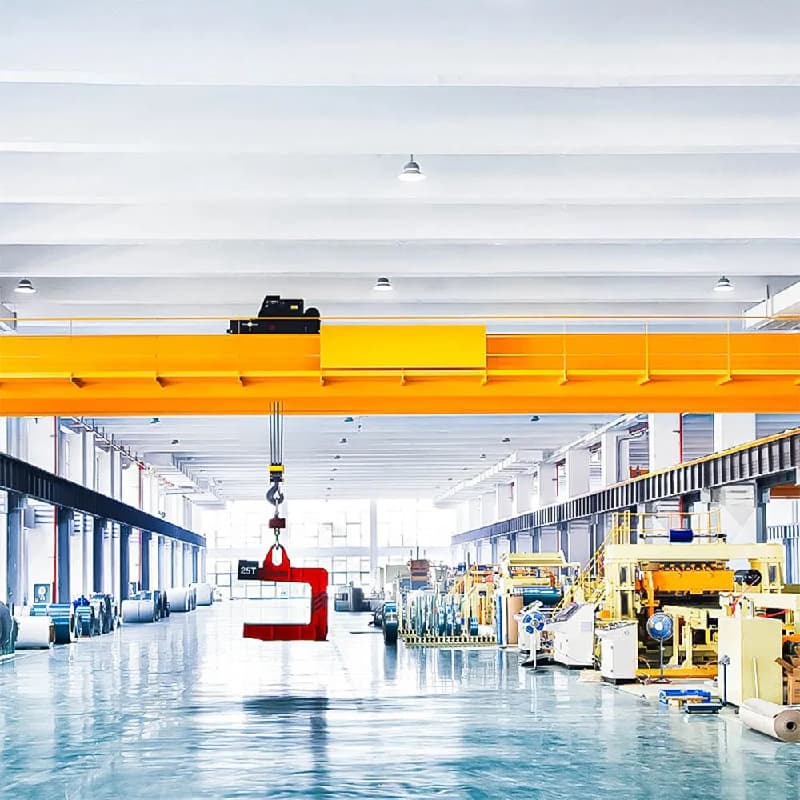
The Anatomy of a Crane Quote: Why Prices Vary by 100% or More
Before examining each configuration item individually, let us establish a fundamental truth: the structural steel (the bridge girder and end carriages) typically represents only 30–40% of a crane’s total cost. The remaining 60–70% comes from components and systems that are largely invisible in a basic specification sheet but determine everything about how the crane will perform over its 15–25 year service life.
When a supplier quotes a price dramatically lower than competitors, they are almost certainly reducing costs in one or more of the following five areas. The key question is whether those reductions align with your actual operational requirements—or whether they will generate hidden costs that dwarf the initial savings.
| Configuration Item | Impact on Price | Long-Term Consequence of Choosing Lower Tier |
|---|---|---|
| Work Duty Classification | ±20–40% | Premature structural fatigue, gearbox failure, voided warranty |
| Hoist Type & Brand | ±15–35% | Lower lifting speeds, more frequent maintenance, shorter component life |
| Electrical & Control System | ±10–30% | Higher energy consumption, rougher load handling, limited diagnostic capability |
| Corrosion Protection & IP Rating | ±5–20% | Accelerated corrosion, electrical failures in humid/dusty environments |
| Certifications & Compliance | ±5–15% | Customs delays, rejected shipments, inability to obtain operating permits |
Let us examine each in detail.
Configuration Item 1: Work Duty Classification (FEM / ISO / CMAA)
What It Is:
Work duty classification defines how frequently and how intensively a crane is designed to operate. It is the single most important technical specification in crane procurement—and the one most frequently omitted from buyer inquiries.
How It Affects Price (20–40% Variance):
A crane designed for M6 (heavy duty) continuous production requires fundamentally different engineering than one designed for M3 (light duty) occasional use:
| Component | M3 Light Duty | M6 Heavy Duty | Cost Differential |
|---|---|---|---|
| Bridge Girder | Standard I-beam or basic box section | Reinforced box girder with internal diaphragms, FEA-optimized design | +30–50% structural cost |
| Hoist Gearbox | Standard duty cycle, basic gear materials | Heat-treated alloy gears, larger oil capacity, enhanced bearing arrangement | +40–60% |
| Motors | Standard S3 intermittent duty | S4/S5 continuous duty with thermal protection | +25–40% |
| Wheel Blocks | Standard cast steel | Hardened forged wheels with premium bearings | +20–30% |
| Brakes | Basic shoe or disc brake | Dual braking systems with monitoring | +30–50% |
Real-World Example:
A textile warehouse in Vietnam requested a “10-ton crane” without specifying duty class. A low-price supplier quoted an M3-class crane suitable for occasional maintenance lifts—perhaps 10–15 cycles per day. The warehouse actually operated 16 hours daily, performing 80–100 lift cycles. After nine months, the gearbox failed catastrophically. The repair cost exceeded $14,000, and the warehouse lost 12 production days. The correct M6-class crane would have cost approximately $8,000 more upfront—less than the repair cost alone, not counting downtime.
How DONGQI CRANE Approaches This:
Every DONGQI CRANE quotation begins with a detailed application questionnaire that probes daily operating hours, lift frequency, average load percentage, and ambient conditions. Our engineering team uses this data to specify the correct FEM/ISO work duty classification—from A3 (light) through A7 (heavy)—ensuring the crane is neither under-specified (risking premature failure) nor over-specified (wasting capital).
Our HD Series single girder cranes are optimized for light to medium duty applications (1–20 tons, spans up to 31.5m). Our QDX Series double girder cranes are engineered for heavy-duty industrial applications from 5 tons to over 500 tons, with fully customizable duty ratings based on your actual usage patterns.
What to Ask Suppliers:
- “What FEM/ISO work duty classification is this quotation based on?”
- “Show me the gearbox manufacturer’s duty cycle rating for this configuration.”
- “What is the design life in operating hours for this crane at the specified duty class?”
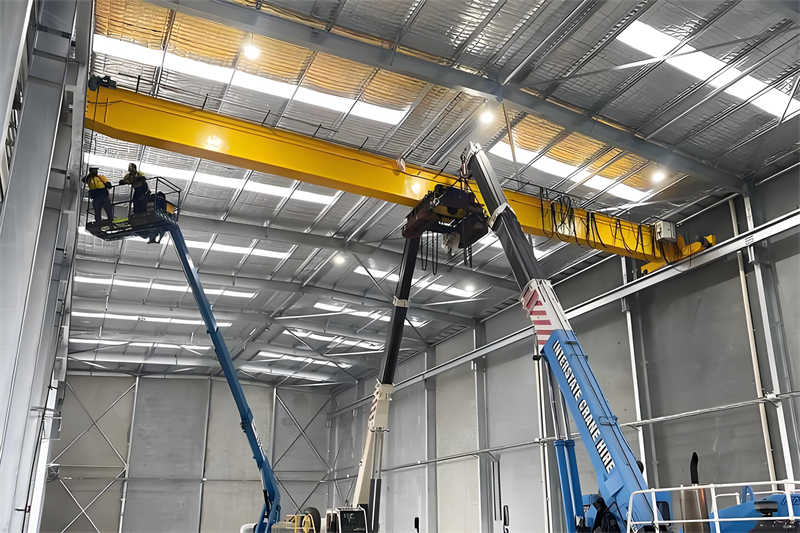
Configuration Item 2: Hoist Type, Brand, and Quality Tier
What It Is:
The hoist is the heart of the crane—the mechanism that actually raises and lowers the load. Hoist quality determines lifting speed, positioning accuracy, maintenance frequency, and service life. This is where price differences become most visible to experienced buyers.
How It Affects Price (15–35% Variance):
| Hoist Category | Typical Price Premium vs. Basic | Key Characteristics |
|---|---|---|
| Basic CD/MD Type Wire Rope Hoist | Baseline | Standard lifting speeds, basic electrical controls, adequate for light/medium duty |
| Premium European-Style Hoist | +20–40% | Higher lifting speeds, smoother operation, better duty cycle capability, more compact design |
| Branded European Hoist (SWF, STAHL, KITO) | +50–100% | Premium components throughout, extended service intervals, global service network |
| Special Purpose Hoist (Explosion-Proof, Cleanroom, High-Temperature) | +30–150% | Specialized sealing, spark-proof construction, special lubricants, certified compliance |
Component Brand Impact on Price:
Within any hoist category, component brand selection significantly affects both price and long-term reliability:
| Component | Economy Option | Premium Option (DONGQI Standard) | Price Impact |
|---|---|---|---|
| Hoist Motor | Domestic Chinese brand | SEW-EURODRIVE / NORD | +$800–2,500 |
| VFD Drive | Basic vector drive | Siemens / Schneider / ABB | +$600–1,800 |
| Wire Rope | Standard grade | CASAR (Germany) or DIEPA high-performance | +$200–600 |
| Bearings | Domestic brand | SKF / FAG / NSK | +$150–400 |
| Contactors/Relays | Generic | Schneider / Siemens | +$100–300 |
Real-World Example:
A Malaysian fabrication shop compared two 5-ton overhead crane quotes with a $5,200 price difference. The cheaper quote specified an unbranded CD-type hoist with a domestic motor. The DONGQI CRANE quote specified a European-style hoist with SEW motor and Schneider VFD control. The buyer chose the cheaper option. Within 18 months, the domestic motor failed twice, and the basic contactors required replacement. Repair costs and lost production exceeded $9,000. The European-style hoist would have operated maintenance-free for 5–7 years under the same conditions.
DONGQI CRANE’s Hoist Philosophy:
As a Sino-New Zealand joint venture, we integrate European design standards with strategic component partnerships. Our cranes feature hoists built around SEW-EURODRIVE or NORD motors as standard for demanding applications, with Siemens or Schneider Electric VFD drives for precise speed control. For buyers with tighter budgets, we offer value-engineered alternatives with clearly documented trade-offs in duty cycle, lifting speed, and maintenance intervals—never hidden cost-cutting that compromises safety.
Our in-house hoist manufacturing capability means we control quality from component sourcing through final assembly, and we maintain comprehensive traceability on every hoist we produce.
What to Ask Suppliers:
- “What is the brand and model of the hoist motor in this quotation?”
- “Is the VFD drive included, and what brand is it?”
- “Show me the wire rope specification—manufacturer, diameter, and safety factor.”
- “What is the design life of the hoist gearbox in operating hours?”
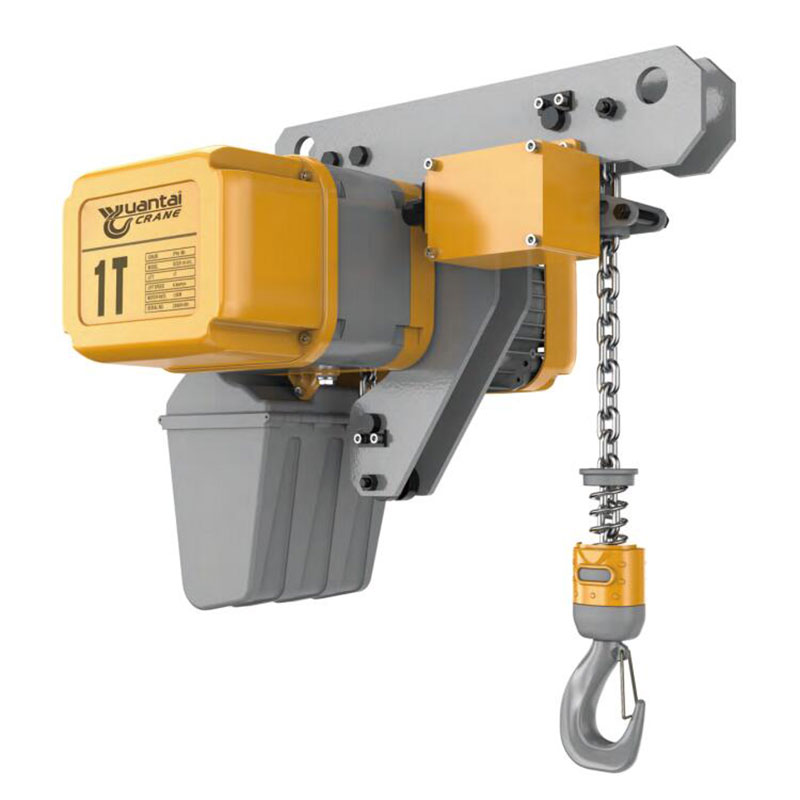
Configuration Item 3: Electrical and Control System Architecture
What It Is:
The electrical control system governs how the crane moves—starting, stopping, accelerating, and decelerating. It directly affects operator experience, load positioning accuracy, energy consumption, and long-term maintenance requirements.
How It Affects Price (10–30% Variance):
| Control System Tier | Description | Typical Applications | Price Premium vs. Basic |
|---|---|---|---|
| Pendant Control with Contactors | Hardwired push-button pendant; motor control via contactors (on/off, no speed variation) | Very light duty, infrequent use, budget-constrained applications | Baseline |
| Pendant Control with VFD | Pendant operation with Variable Frequency Drives enabling smooth acceleration/deceleration | Light to medium duty where smooth load handling matters | +15–25% |
| Radio Remote with VFD | Wireless operation with VFD control; operator can position safely away from load | Medium to heavy duty; standard for modern industrial operations | +20–35% |
| PLC Automation with HMI | Programmable Logic Controller with touchscreen interface; advanced features like anti-sway, positioning, load monitoring | Heavy duty, high-value loads, automated production lines | +35–60%+ |
VFD Drives: The Hidden Value Multiplier
Variable Frequency Drives (VFDs) add upfront cost but deliver measurable long-term savings:
| Benefit | Without VFD | With VFD | Impact |
|---|---|---|---|
| Energy Consumption | Full voltage starts, no speed optimization | Soft start, optimized motor speeds | 15–30% electricity savings |
| Mechanical Wear | Abrupt starts/stops stress gearboxes, brakes, structure | Smooth acceleration reduces shock loads | Extended component life |
| Load Positioning | Difficult to inch loads precisely | Micro-speed capability for precise placement | Improved productivity |
| Hook Sway | Load swings during travel, requiring operator skill | Anti-sway algorithms minimize pendulum effect | Safer operation |
Electrical Enclosure Protection (IP Rating):
Southeast Asian and coastal environments demand higher ingress protection:
| IP Rating | Protection Level | Suitable Environment | Cost Impact |
|---|---|---|---|
| IP54 | Dust-protected, splash-proof | Clean indoor environments | Baseline |
| IP55 | Dust-protected, water jet-resistant | General industrial indoor | +3–5% |
| IP65 | Dust-tight, water jet-protected | Humid, dusty, or washdown areas | +8–12% |
| IP66 | Dust-tight, powerful water jet-protected | Coastal, high-humidity, outdoor | +12–18% |
DONGQI CRANE’s Electrical Approach:
We standardize on premium electrical components from Siemens and Schneider Electric because we have seen too many budget contactors fail prematurely in tropical environments. Our control panels are designed and assembled in-house, with every panel undergoing powered testing before shipment. For applications requiring precision or automation, we offer integrated PLC systems with HMI touchscreens, remote monitoring capability, and IoT connectivity for predictive maintenance.
What to Ask Suppliers:
- “Does this quotation include VFD control for hoist and travel motions?”
- “What brand of VFD drives and contactors are specified?”
- “What is the IP rating of the main control panel?”
- “Is anti-sway control included or available as an option?”
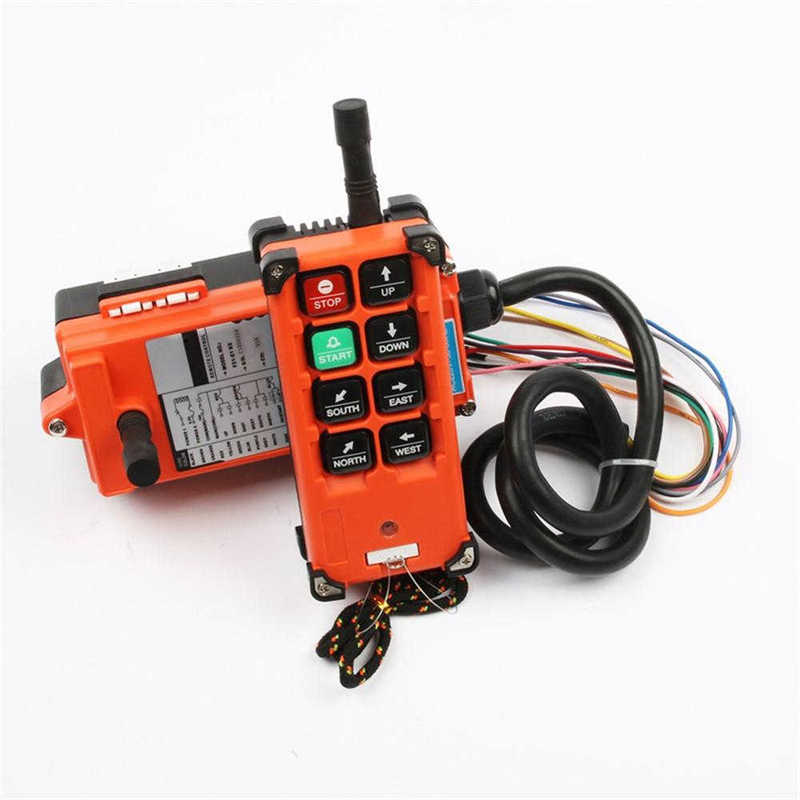
Configuration Item 4: Corrosion Protection and Surface Treatment
What It Is:
The steel structure of a crane represents a 15–25 year investment. How well that steel is protected against corrosion determines whether the crane reaches the end of its design life or succumbs to structural degradation years earlier than expected. This is particularly critical in Southeast Asia, where high humidity, coastal salt spray, and monsoon rainfall accelerate corrosion dramatically.
How It Affects Price (5–20% Variance):
| Protection Level | Surface Preparation | Coating System | Typical Environment | Cost Premium |
|---|---|---|---|---|
| Basic Industrial | Manual cleaning, basic primer | Single-coat alkyd paint | Dry indoor environments | Baseline |
| Standard Industrial | Shot blasting to Sa 2.0 | Epoxy zinc-rich primer + polyurethane topcoat | General indoor industrial | +5–8% |
| Enhanced Industrial | Shot blasting to Sa 2.5 | Multi-layer epoxy system (primer + intermediate + topcoat) | Humid indoor, light outdoor exposure | +10–15% |
| Marine Grade (C5-M) | Shot blasting to Sa 2.5 | Specialized zinc-rich epoxy + high-build epoxy + polyurethane | Coastal, high-humidity, chemical exposure | +15–20%+ |
The Hidden Cost of Inadequate Protection:
A crane structure that appears identical on day one can deteriorate dramatically within 2–3 years in a tropical environment without proper surface treatment. The cost of repairing corrosion damage—sandblasting, structural reinforcement, repainting—often exceeds the initial price premium for proper protection by a factor of 3–5×.
Component-Level Corrosion Considerations:
- Fasteners: Stainless steel bolts and nuts (A2/A4 grade) vs. standard zinc-plated carbon steel
- Electrical Enclosures: Stainless steel or powder-coated with IP65+ sealing
- Wire Rope: Galvanized or stainless steel construction for outdoor/corrosive environments
- Limit Switches: Sealed, corrosion-resistant housings
DONGQI CRANE’s Surface Treatment Standard:
Every crane structure manufactured in our 240,000-square-meter Changyuan facility undergoes automated shot blasting to achieve Sa 2.5 surface cleanliness—the international standard for high-performance coating adhesion. This is followed by a multi-layer painting system applied in temperature-controlled spray booths. For coastal installations in Indonesia, Thailand, Vietnam, and Malaysia, we offer C5-M marine specification coating systems that provide 15+ years of corrosion protection even in aggressive environments. Our commitment to surface preparation and coating quality is backed by ISO 9001 and ISO 14001 certified processes.
What to Ask Suppliers:
- “What surface preparation standard (Sa rating) is used before painting?”
- “What is the complete coating system—primer, intermediate, topcoat specifications?”
- “Is marine-grade C5-M coating available for coastal installations?”
- “Are stainless steel fasteners and hardware included or available as an option?”
Configuration Item 5: Certifications and Compliance Documentation
What It Is:
Every crane sold internationally must comply with the regulatory requirements of the destination country. These requirements vary significantly across Southeast Asia and globally. Certification compliance adds cost—both in documentation and in the engineering and testing required to meet specific standards.
How It Affects Price (5–15% Variance):
| Certification / Requirement | Applicable Regions | Cost Impact | Consequence of Non-Compliance |
|---|---|---|---|
| CE Marking | European Union, plus recognized in many other markets | +3–7% | Cannot legally place on EU market |
| ISO 9001/14001/45001 | Global (voluntary but expected for quality suppliers) | Included in DONGQI standard | Reduced buyer confidence; quality concerns |
| SNI (Indonesia) | Indonesia (mandatory) | +$3,000–5,500 per project | Shipment held at port; cannot clear customs |
| TISI (Thailand) | Thailand (mandatory for mechanical equipment) | +$2,000–8,000 per project | Customs delays; possible rejection |
| CR / QCVN (Vietnam) | Vietnam (mandatory) | +$2,000–5,000 per project | Extended inspection; re-export risk |
| DOSH (Malaysia) | Malaysia (mandatory for lifting equipment) | +$1,500–4,000 per project | Cannot obtain operating permit |
| AS 1418 (Australia) | Australia / New Zealand | +5–12% | Strict compliance required for insurance |
| Explosion-Proof (ATEX/IECEx) | Hazardous area applications globally | +30–100%+ | Catastrophic safety risk; legal liability |
Documentation Package Differences:
A compliant crane quotation includes more than the equipment itself. It includes comprehensive documentation:
| Documentation Element | Budget Supplier (Often Missing) | DONGQI CRANE Standard Package |
|---|---|---|
| Material Test Certificates | Not provided or generic | Certified mill test reports for all structural steel |
| Welding Procedure Specifications (WPS) | Not provided | Qualified WPS for all joint types; welder certification records |
| Non-Destructive Test Reports | Not performed | UT/MT/RT reports for critical welds as required |
| Load Test Certificate | Basic pass/fail | Detailed report with deflection measurements, witnessed by third party if required |
| Geometric Survey Report | Not provided | Wheel alignment, camber, span measurements |
| Operation & Maintenance Manual | Basic translated document | Comprehensive English manual with parts list, schematics, maintenance schedule |
| Country-Specific Certification | Not offered | SNI, TISI, CR, DOSH documentation packages |
Real-World Example:
A Philippine construction company ordered a gantry crane from a supplier promising “CE certification covers everything.” Upon arrival at Manila port, customs required DOE/DOST certification for electrical safety and a local third-party load test certificate. The supplier could provide neither. The crane remained in customs for 51 days while the buyer arranged local compliance testing at their own expense. Total additional cost: $12,700 in storage, testing, and expedited documentation—exceeding 20% of the original purchase price.
DONGQI CRANE’s Compliance Commitment:
Our certifications are not afterthoughts—they are integrated into our engineering and manufacturing processes. We maintain:
- ISO 9001:2015 (Quality Management)
- ISO 14001:2015 (Environmental Management)
- ISO 45001:2018 (Occupational Health & Safety)
- CE Certification for European market access
For Southeast Asian markets, our local agencies in Indonesia, Vietnam, Thailand, Malaysia, and the Philippines provide direct support for country-specific certification. We prepare documentation packages tailored to each destination country’s requirements before shipment, eliminating the costly delays that plague unprepared buyers.
What to Ask Suppliers:
- “Show me your current ISO 9001 certificate and its scope of coverage.”
- “What documentation will you provide for customs clearance in [destination country]?”
- “Have you supplied cranes to [destination country] before? Can you provide local references?”
- “Is third-party inspection by SGS, BV, or TÜV accepted and welcomed?”
How to Compare Crane Quotes Like a Procurement Professional
Armed with an understanding of the five critical configuration items, you can now evaluate quotations systematically rather than reacting to headline prices. Here is a practical framework:
Step 1: Request a Standardized Quotation Format
Before requesting quotes, provide all suppliers with identical technical specifications:
- [ ] Capacity (tons): __
- [ ] Span (meters, center-to-center of runway): __
- [ ] Lift Height (meters): __
- [ ] Work Duty Classification (FEM/ISO): __
- [ ] Operating Environment (indoor/outdoor, temperature, humidity, corrosive exposure): __
- [ ] Electrical Supply (voltage, phase, frequency): __
- [ ] Control Preference (pendant / radio remote / automated): __
- [ ] Destination Country (for certification requirements): __
- [ ] Special Requirements (explosion-proof, cleanroom, high-temperature, etc.): __
Step 2: Create a Comparison Matrix
| Specification | Supplier A | Supplier B | Supplier C (DONGQI) |
|---|---|---|---|
| Price (FOB/CIF) | $_______ | $_______ | $_______ |
| Work Duty Class | _ | _ | _ |
| Hoist Motor Brand | _ | _ | SEW / NORD |
| VFD Brand | _ | _ | Siemens / Schneider |
| IP Rating | _ | _ | _ |
| Coating Specification | _ | _ | _ |
| Certifications Included | _ | _ | _ |
| Documentation Package | _ | _ | _ |
| Local Support | _ | _ | Agency in region |
Step 3: Calculate Total Landed Cost, Not Just Equipment Price
Total Landed Cost = Equipment Price + Freight + Insurance + Import Duties + Certification Fees + Installation + Commissioning
A $5,000 difference in equipment price can easily be erased by a $6,000 difference in freight, duties, or compliance costs.
Step 4: Evaluate Total Cost of Ownership (10-Year)
| TCO Component | Lower-Price Crane | DONGQI CRANE |
|---|---|---|
| Equipment Price | Baseline | +15–25% |
| Annual Electricity Cost | $______ | $______ (15–30% lower with VFD) |
| Estimated Maintenance (Years 1–5) | $______ | $______ |
| Estimated Downtime Risk | Higher | Lower |
| 10-Year Total | $______ | $______ |
The DONGQI CRANE Value Proposition
When you receive a quotation from DONGQI CRANE, you are not just buying steel and motors. You are investing in:
| What You Get | Why It Matters |
|---|---|
| Sino-New Zealand Joint Venture Engineering | European design standards applied to every crane |
| 240,000m² Manufacturing Facility | Complete control over quality from raw material to finished product |
| 3,600 Employees, 500+ Technical Specialists | Engineering depth to solve complex application challenges |
| Premium Component Partnerships | SEW-EURODRIVE, NORD, Siemens, Schneider Electric as standard |
| ISO 9001/14001/45001 Certified Processes | Documented quality, environmental, and safety management |
| 40+ Years Manufacturing Experience | Institutional knowledge spanning thousands of successful installations |
| Exports to 96+ Countries | Proven capability in navigating global compliance requirements |
| Local Agencies Across Southeast Asia | Responsive support where and when you need it |
Our quotations are rarely the lowest you will receive. They are designed to be the best value—delivering predictable performance, lower total cost of ownership, and peace of mind over the crane’s 15–25 year service life.
Conclusion: Price Is What You Pay. Value Is What You Get.
The next time you receive crane quotations with a 50–100% price spread, you will understand why. The differences are not arbitrary markups or suspicious cost-cutting—they are legitimate reflections of configuration choices that directly impact how your crane will perform, how long it will last, and how much it will cost to operate.
The key is not to automatically select the middle quote or reject the highest. The key is to understand which configuration items matter for your specific application and to select a supplier who is transparent about what they are providing.
At DONGQI CRANE, we believe in complete specification transparency. Every quotation includes a detailed technical schedule that identifies the work duty classification, hoist type and brand, electrical component specifications, surface treatment standard, and certification package included. We want you to compare our proposal to others on a fully informed basis.
Because when buyers understand what they are truly purchasing, they almost always choose value over the lowest price.
Ready to receive a transparent, fully specified quotation for your next crane project?
[Contact DONGQI CRANE’s international sales team today. Provide your application details, and we will deliver a comprehensive technical and commercial proposal within 12–24 hours.]
DONGQI CRANE: Engineering Lifting Solutions Since 1985
Sino-New Zealand Joint Venture • 240,000m² Facility • 3,600 Employees • 500+ Technical Specialists
ISO 9001 • ISO 14001 • ISO 45001 • CE Certified
Exports to 96+ Countries • Local Agencies Across Southeast Asia and the Middle East
