
5-Sep-2025
The Ultimate Guide to Choosing a Scrap Handling Grabbing Crane: From Parameters to Supplier Selection
Introduction: Why Choosing the Right Scrap Handling Crane is Critical
The scrap yard is a brutal environment. Demanding, abrasive, and unrelenting. The heartbeat of this operation is often the scrap handling crane. Selecting the wrong one isn’t just an inconvenience; it’s a costly mistake that leads to constant downtime, exorbitant repair bills, crippled productivity, and serious safety risks.
This guide is designed to empower you with the knowledge to make an intelligent investment decision. By understanding your needs, the critical technical parameters, and how to choose a reliable partner, you can ensure your new crane is a powerhouse of efficiency and reliability for years to come. At Dongqi Crane, we’ve been building cranes for these very challenges, and we’re here to guide you through the process.
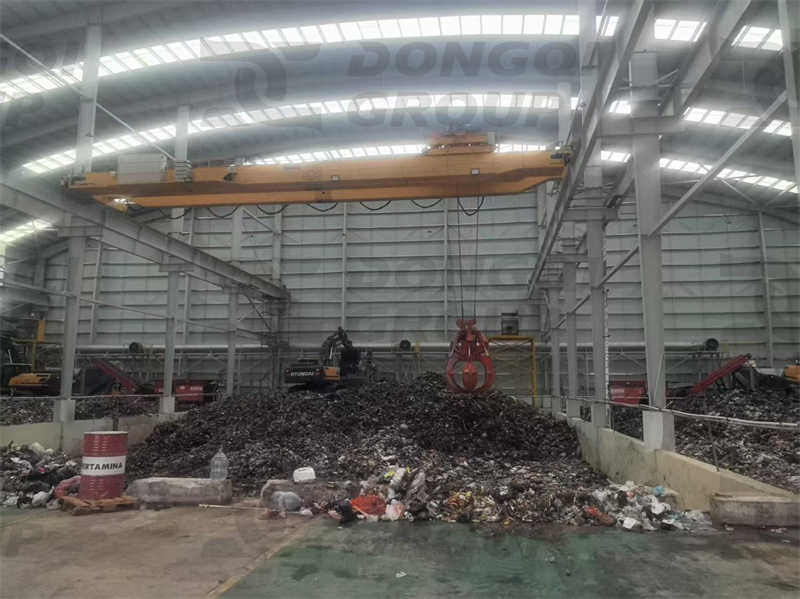
Step 1: Internal Analysis – Define Your Actual Requirements
Before you look at a single specification sheet, look inward. Understanding your own operation is the first and most crucial step.
- Material Analysis: What type of scrap are you handling? Light gauge sheet metal, heavy demolition scrap, shredded material, or automobile fragments? The density and abrasiveness of the material directly impact the crane’s design and the type of grab required.
- Operational Analysis:
- Application: Is the crane for an outdoor stockyard, an indoor processing bay, or a shipping port? This determines necessary environmental protections.
- Duty Cycle: How intensive is your operation? How many hours per day will the crane run? Is it in constant use or intermittent? This defines the required ** duty class**.
- Performance Expectations: What is your target tonnage per shift? Do you need high speeds for rapid loading/unloading? This sets the benchmark for performance.
- Site Constraints: Precisely measure the span between rails, the required lifting height, the existing rail specifications, and the power supply method (conductor bars or cable reels).
Step 2: Decoding Key Parameters – The Language of Performance
Understanding these technical terms will allow you to compare apples to apples and specify a crane built to last.
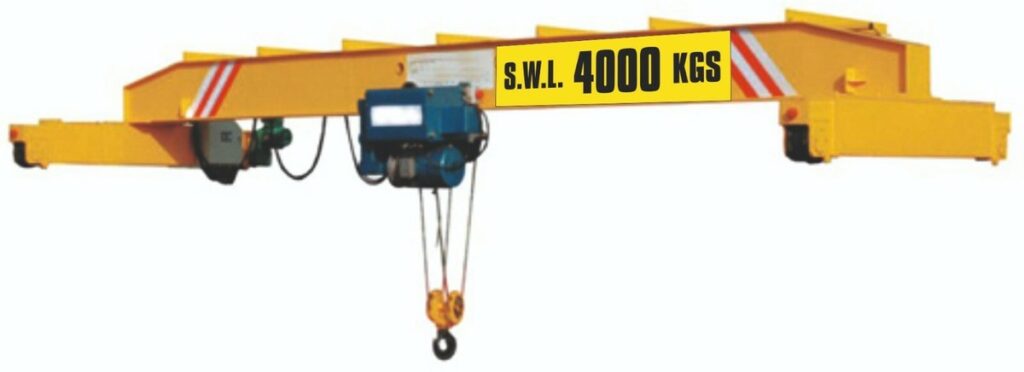
- Lifting Capacity (SWL): This is the Safe Working Load, which includes the weight of the grab and the scrap. A common error is underestimating the grab’s weight, leaving less capacity for the actual payload.
- Duty Class (FEM/ISO Standard): This is the most important metric for longevity. It classifies cranes from 1B (light) to 8A (very heavy). Scrap handling almost universally requires a class A7 or A8 crane. This classification dictates the design of the entire structure, mechanical components, and electrical systems to withstand shock loads, high stress, and frequent use.
- Speeds (Hoisting, Travelling, Cross Travelling): Higher speeds boost productivity but require more sophisticated control systems (like inverter drives) to ensure smooth and precise operation without excessive load swing.
- Structural Design: We strongly recommend double-girder, off-track box girder designs for scrap cranes. This design offers superior torsional stiffness and is better suited to handle the uneven loads and heavy impacts synonymous with scrap grabbing.
- Key Components:
- Motors & Brakes: Motors must be high-torque, heavy-duty (e.g., H-class insulation) with thermal protection. Dual braking systems on the hoist are essential for safety.
- Wire Rope & Sheaves: Specify anti-rotation, wear-resistant ropes, often with a zinc coating or plastic coating to fight corrosion. Sheaves should be machined and balanced.
- Control System: Inverter control is no longer a luxury but a necessity. It provides soft starts/stops, precise speed control, reduces mechanical stress, and cuts down on energy consumption.
Step 3: The Heart of the System – Selecting the Right Scrap Grab
The crane is only as good as the grab it operates. They must be designed as one integrated system.
- Types: Double-leaf grabs are the most common for general scrap. Multi-leaf (or orange peel) grabs are for large, bulky pieces. Electro-hydraulic grabs offer superior clamping force and tighter sealing for fine materials but are more complex.
- Design & Durability:
- Lip Edges: Must be made from abrasion-resistant steel (e.g., Hardox 450 or 500) and be easily replaceable.
- Reinforcement: Critical stress points need additional wear plates and reinforcing ribs.
- Sealing: Effective labyrinth seals are vital to protect the pulley bearings from abrasive dust and debris, significantly extending service life.
- System Integration: The crane’s electrical and hydraulic systems must be perfectly matched to the grab’s requirements. At Dongqi, we design and manufacture both, ensuring seamless compatibility and peak performance.
Step 4: Choosing Your Partner – Key Criteria for a Reliable Supplier
The best specifications are worthless if the manufacturer cannot execute them reliably.
- Engineering & Customization Capability: Can they provide tailored solutions for your unique challenges, or do they only offer cookie-cutter models? Dongqi specializes in custom-engineered overhead cranes.
- Proven Track Record & References: Ask for project examples and customer testimonials from the scrap industry. A reputable supplier will be happy to provide them. Our website features numerous case studies from global scrap recycling leaders.
- Manufacturing Quality & Processes: Look for ISO 9001 certification. Inquire about the source of key components (e.g., Siemens, ABB, Schneider Electric controls). The quality of manufacturing processes—from steel cutting and welding to painting—is paramount.
- After-Sales Service & Support: This is arguably the most critical factor. What is their response time? Do they have a global network of service engineers and a reliable supply of spare parts? Do they offer installation supervision and training? Dongqi’s lifelong service commitment is designed to eliminate your downtime worries.
- Total Cost of Ownership (TCO), Not Just Price: The cheapest initial offer is often the most expensive in the long run. Consider energy efficiency, maintenance costs, expected lifespan, and the cost of potential downtime. Invest in quality for a lower TCO.
Why Dongqi Crane Is Your Ideal Partner in Scrap Handling
With a deep understanding of the scrap industry’s demands, Dongqi Crane is more than a manufacturer; we are your solution provider.
- Sector Expertise: We have dedicated years to perfecting cranes for the metallurgical and waste recycling sectors.
- Integrated Solutions: We offer end-to-end systems, from the crane and grab to advanced options like automated weighing systems and anti-sway automation.
- Quality Built-In: Our cranes are built with premium components and undergo a rigorous three-stage quality inspection process to ensure they deliver unmatched reliability.
- Global Validation: Our cranes are operational in scrapyards worldwide, a testament to our durability and performance.
- Unmatched Support: Our team provides expert consultation from the first sketch through to installation, commissioning, and throughout the entire crane’s life.
Conclusion & Call to Action
Choosing a scrap handling crane is a complex but vital investment. By following this guide, you are well-equipped to navigate the technical landscape and select a partner who will ensure your operation’s success.
Let’s turn this investment into your competitive advantage.
- Contact the Dongqi Crane engineering team today for a free, no-obligation consultation and a customized solution quote.
- Download our detailed brochure on Scrap Handling Cranes to see our full range of options.
- Explore our project case studies to see how we help scrap businesses like yours achieve new levels of efficiency.
